


 |
Gold is discovering that not every crisis is bullish

Gold moved modestly higher on Friday after a sharp decline in the previous session, but the recovery offered little evidence that investors had resolved the central contradiction surrounding precious metals. Geopolitical tension remains elevated, oil is trading close to $100 a barrel and financial markets are increasingly nervous, yet gold has struggled to behave like the unquestioned refuge that such an environment would normally favour.
Spot gold recovered to around $4,055 an ounce after losing approximately 2% on Thursday, while silver rose more strongly to about $58.36. Platinum registered a smaller advance near $1,603, while palladium slipped toward $1,252, leaving the precious-metals complex divided rather than moving as a single defensive trade.
The explanation lies in the nature of the current threat. Investors are not dealing only with a geopolitical crisis that encourages demand for safety. They are also dealing with an energy shock that could revive inflation, keep interest rates elevated and possibly force central banks to tighten policy again. Gold benefits from fear, but it suffers when that fear pushes bond yields and the US dollar higher.
A crisis with two messages
The latest movements in oil illustrate the dilemma clearly. Brent crude surged by more than 7% on Thursday and moved above $100 a barrel as attacks on Saudi tankers intensified concerns over Middle Eastern supplies and shipping routes. It later retreated below that level, allowing gold to recover from its earlier weakness as some of the immediate inflation anxiety eased.
This relationship may initially appear counterintuitive. Gold is widely regarded as an inflation hedge, so rising oil prices and renewed price pressures should theoretically support it. In practice, the first market reaction to a sudden inflation shock is often an increase in interest-rate expectations, government bond yields and the dollar, all of which raise the opportunity cost of holding an asset that produces no income.
Gold may perform more convincingly if inflation remains persistent over time and begins undermining confidence in currencies, fiscal policy or central-bank credibility. During the early stage of the shock, however, it can lose ground as investors focus on the possibility of tighter monetary policy.
That is precisely what appears to be happening now. Markets expect the Federal Reserve to leave interest rates unchanged at its meeting next week, but traders have placed a high probability on a rate increase in September. Gold is therefore caught between the protection offered by geopolitical uncertainty and the pressure created by a more restrictive interest-rate outlook.
A remarkable year hidden behind a quiet price
Gold’s current position near $4,000 can look relatively stable, but that stability conceals one of the most dramatic years in the metal’s modern history. Prices surged above $5,500 an ounce during January before falling below $4,000 in late June, producing an unusually large swing between optimism, panic and profit-taking.
The pullback does not necessarily mean that gold’s longer-term investment case has disappeared. The metal remains one of the strongest-performing major assets over the past year, supported by central-bank buying, concerns over public debt, geopolitical fragmentation and demand from investors seeking alternatives to traditional currencies and government bonds.
Yet the decline from the January peak has changed the character of the market. Gold is no longer rising simply because investors can identify several long-term reasons to own it. Those reasons are now widely understood and may already be reflected in the price, meaning the metal needs a clearer new catalyst to resume its advance.
That catalyst could take several forms: a meaningful deterioration in the global economy, a reversal in expectations for US interest rates, renewed weakness in the dollar or a geopolitical shock severe enough to overwhelm the bond market’s inflation concerns. Without one of those developments, gold may continue fluctuating around current levels rather than immediately returning to its record highs.
Silver is offering more movement and more risk
Silver’s stronger advance on Friday reflects its different position within the precious-metals market. It shares gold’s monetary and defensive characteristics, but it also has substantial industrial uses in electronics, solar energy and other manufacturing applications.
That gives silver more potential upside when investors expect both monetary instability and resilient industrial demand, but it also makes the metal more vulnerable when concerns shift toward weaker economic growth. Silver can behave like gold during a financial panic and like an industrial commodity when traders begin worrying about factories, construction and consumer demand.
The recent volatility demonstrates that dual identity. Silver fell more sharply than gold on Thursday before outperforming it during Friday’s recovery. Its lower market liquidity and more speculative trading base often magnify movements in both directions, making it attractive to investors seeking stronger momentum but less dependable as a pure defensive asset.
Silver’s next direction may therefore reveal whether investors believe the current energy shock will produce prolonged inflation without destroying demand, or whether higher rates and weaker growth will eventually place pressure on industrial consumption.
Why gold is not responding more strongly
Gold’s subdued response to geopolitical tension may disappoint investors who expect the metal to rise automatically whenever international risk increases. Yet safe-haven demand depends on what investors fear most.
When the primary concern is recession, banking instability or falling interest rates, gold usually enjoys a favourable combination of defensive demand and lower bond yields. When the concern is an oil-driven inflation shock, the result is less comfortable because the same crisis strengthens the argument for higher rates.
The dollar is also competing directly with gold for defensive capital. Rising US yields make dollar assets more attractive, while a stronger dollar increases the cost of metals for buyers using other currencies. Gold can overcome this pressure during severe crises, but modest geopolitical anxiety may not be enough when investors can earn attractive returns from government bonds.
This explains why the retreat in oil below $100 helped gold on Friday. Lower oil reduced some of the pressure on inflation expectations and interest rates, allowing the metal’s defensive qualities to regain influence. Gold is therefore behaving less as a simple hedge against Middle Eastern tension and more as a real-time measure of whether that tension is producing fear or inflation.
What investors should watch now
The next major signal for gold will come from the relationship between oil, Treasury yields and the dollar. A continued decline in crude accompanied by lower yields could allow gold to extend its recovery, especially if the Federal Reserve resists market pressure for another increase.
A renewed oil surge would produce a more complicated reaction. Gold could benefit if the move triggers severe risk aversion, but it may weaken again if investors interpret higher energy prices mainly as a reason for tighter monetary policy.
Silver investors should watch both gold and global growth expectations, while platinum and palladium will remain sensitive to automotive demand, supply disruptions and changes in the outlook for hybrid and electric vehicles.
Thanks for your feedback.
The euro and sterling rise into the same storm, but only one looks comfortable
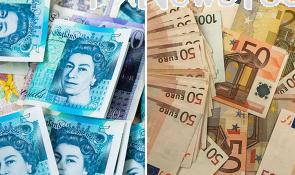
The euro and British pound attempted to recover against the US dollar on Friday, yet the modest improvement in both currencies concealed a much more complicated shift taking place across European foreign-exchange markets. Investors are no longer deciding whether the European Central Bank and Bank of England will cut interest rates, but whether renewed energy inflation could eventually force either institution to tighten policy again, even as economic growth remains fragile.
MoreGlobal markets wake up to a new reality as oil, bonds and AI reshape the trading day

Global markets entered Friday under pressure as investors confronted a combination that has become increasingly difficult to ignore: oil above $100 a barrel, bond yields near multiyear highs, a stronger US dollar and growing doubts over whether enormous spending on artificial intelligence will generate profits quickly enough to justify the market's highest valuations.
MoreThe world's biggest inflation threat is no longer oil.. It is shipping

For months, investors have measured geopolitical risk by watching crude oil prices, but this week may have quietly changed that equation. Oil has undoubtedly grabbed the headlines after climbing back toward the $100-a-barrel mark, yet beneath that rally another market is flashing an equally important warning: the global shipping system is beginning to show signs of strain, raising the possibility that the next inflation wave may arrive not because the world lacks products, but because moving them is becoming slower, more expensive and increasingly unpredictable.
More