


 |
The Fed's December dilemma: Can a strong US economy withstand another interest rate hike?
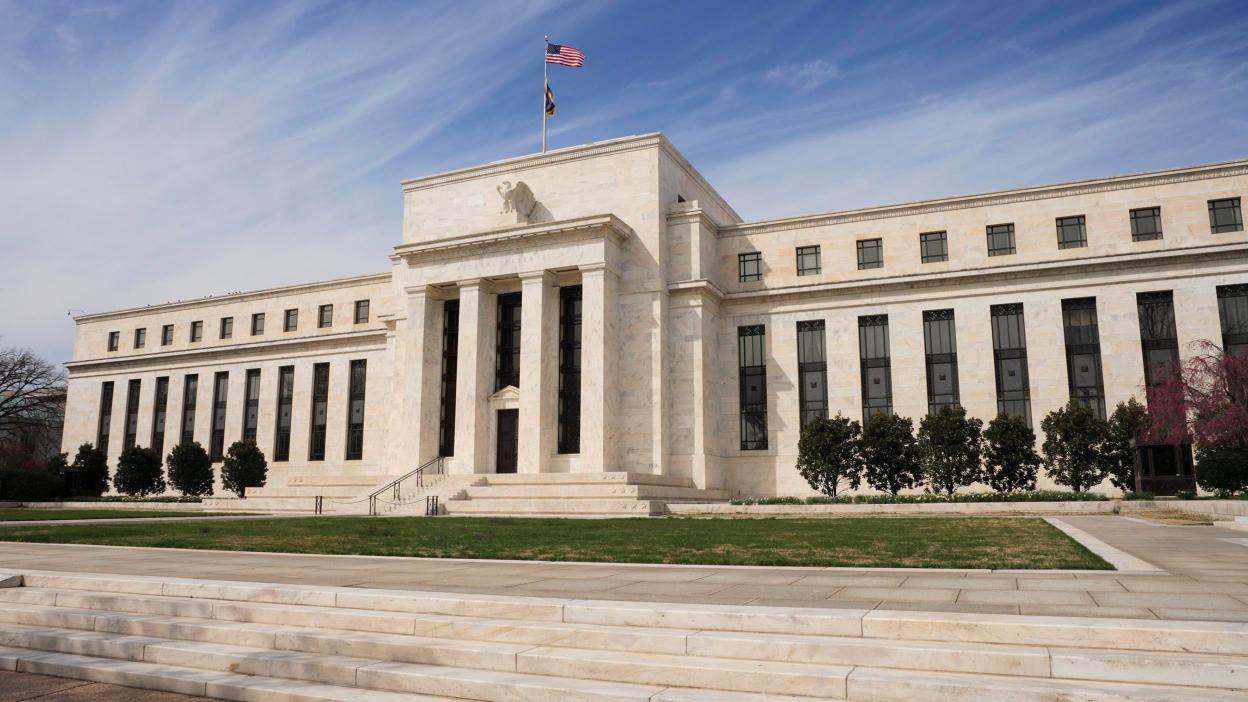
The Federal Reserve is heading toward its December policy meeting with an increasingly uncomfortable question: how much further can it raise interest rates without undermining an economy that has so far proved remarkably resilient?
Friday's stronger-than-expected employment report reinforced expectations of another quarter-point increase, even as financial markets showed signs of strain following a sharp selloff in technology stocks.
The apparent contradiction captures the challenge facing policymakers. Economic growth remains sufficiently strong to sustain tighter monetary policy, but the financial consequences of keeping borrowing costs elevated are becoming harder to ignore.
A labor market that refuses to weaken
The US economy added 165,000 jobs in October, comfortably exceeding forecasts of approximately 65,000. The unemployment rate declined to 4.1% from 4.2%, while average hourly earnings increased 0.4%.
Revisions to August and September also added 84,000 jobs to previously reported figures, suggesting that the labor market was stronger than initially estimated.
The figures followed another encouraging signal on Thursday, when initial unemployment claims fell to 189,000, matching their lowest level since 1969.
For the Fed, such resilience provides room to maintain its campaign against inflation without immediately threatening employment.
Inflation remains the bigger concern
Despite improvements in some inflation indicators, consumer prices remain above the Fed's 2% target, with elevated energy costs complicating the outlook.
The war in Iran has increased uncertainty over oil supplies, while higher transportation and production costs threaten to prolong inflationary pressures.
Fed officials have consequently emphasized that restoring price stability remains essential, even if doing so requires additional restrictions on economic activity.
Markets now expect another rate increase
Following Friday's employment figures, financial markets raised the implied probability of a 25-basis-point rate increase in December to approximately 77%, compared with 67% before the report.
The adjustment reflects growing confidence that policymakers can tighten monetary policy without immediately triggering a recession.
However, the consequences extend beyond the bond market.
Higher interest rates increase financing costs for businesses, discourage borrowing and place additional pressure on households already struggling with expensive mortgages and consumer credit.
Wall Street exposes the risks
The recent technology stock selloff has highlighted the vulnerability of equity valuations to changing interest rate expectations.
Companies whose valuations depend heavily on future earnings are particularly sensitive to higher bond yields, while smaller businesses face greater difficulties financing expansion.
A further increase could intensify those pressures, especially if economic growth begins slowing in early 2027.
The December decision
The Fed's December 8–9 meeting will therefore test whether policymakers believe the economy's resilience outweighs the risks of additional tightening.
For now, strong employment gives the central bank considerable flexibility.
The greater danger may emerge later, if the cumulative effects of higher borrowing costs become visible only after policymakers have already pushed rates too far.
Thanks for your feedback.
US stocks rebound as chipmakers recover from sharp selloff
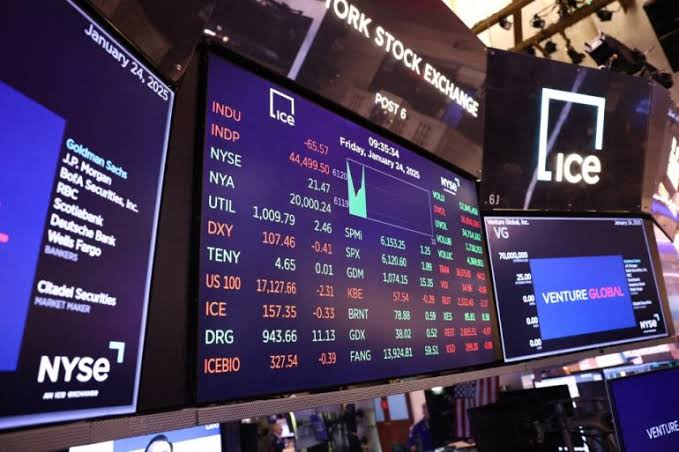
US stocks recovered on Friday, November 6, led by semiconductor companies as investors returned to technology shares following their steepest decline in more than a year, although stronger-than-expected employment figures limited gains in the broader market.
MoreBitcoin struggles below $76,000 as strong US jobs report adds to crypto market pressure
Bitcoin remained under pressure on Friday, November 6, as stronger-than-expected US employment figures reinforced expectations of another Federal Reserve interest rate increase, complicating efforts to recover from Thursday's cryptocurrency selloff.
MoreUS job growth beats forecasts as strong payrolls raise December rate hike expectations

The US economy added substantially more jobs than expected in October, while unemployment declined and wage growth accelerated, strengthening expectations that the Federal Reserve will raise interest rates again in December.
More