


 |
US stocks rebound as chipmakers recover from sharp selloff
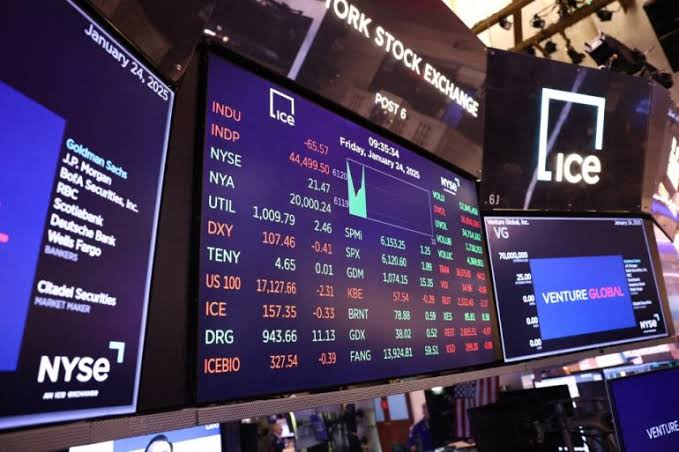
US stocks recovered on Friday, November 6, led by semiconductor companies as investors returned to technology shares following their steepest decline in more than a year, although stronger-than-expected employment figures limited gains in the broader market.
The Nasdaq outperformed other major indices, while the Dow Jones Industrial Average struggled for direction as investors weighed the recovery in artificial intelligence stocks against renewed expectations of higher interest rates.
Price overview
As of 19:10 GMT, the Dow Jones Industrial Average traded near 51,581 points, up approximately 0.11%.
The S&P 500 advanced around 0.83% to 7,415 points, while the Nasdaq Composite gained approximately 1.43% to 24,663 points.
The CBOE Volatility Index declined roughly 12.7% to 24.57 points.
Semiconductor stocks lead recovery
Chipmakers rebounded after Thursday's heavy losses, which followed concerns about potential restrictions on artificial intelligence infrastructure under the newly elected Democratic Congress.
Nvidia gained approximately 3.8% earlier in the session, while the Philadelphia Semiconductor Index advanced more than 4%.
Strong payrolls raise rate expectations
The US economy added 165,000 jobs in October, exceeding forecasts of 65,000, while unemployment declined to 4.1%.
The report pushed market-implied expectations of a December Federal Reserve rate increase to 77%, from 67% before the release.
Higher Treasury yields consequently restrained gains in interest-rate-sensitive sectors.
Market outlook
Despite Friday's rebound, the S&P 500 remained on course for its worst weekly performance since June, while the Nasdaq faced a fourth consecutive weekly decline.
Investors will monitor whether the semiconductor recovery extends into next week, with inflation expectations and Federal Reserve policy remaining central to market direction.
Thanks for your feedback.
Bitcoin struggles below $76,000 as strong US jobs report adds to crypto market pressure

Bitcoin remained under pressure on Friday, November 6, as stronger-than-expected US employment figures reinforced expectations of another Federal Reserve interest rate increase, complicating efforts to recover from Thursday's cryptocurrency selloff.
MoreUS job growth beats forecasts as strong payrolls raise December rate hike expectations

The US economy added substantially more jobs than expected in October, while unemployment declined and wage growth accelerated, strengthening expectations that the Federal Reserve will raise interest rates again in December.
MoreEuro and sterling fall as dollar strengthens ahead of US employment report

The euro and British pound weakened against the US dollar on Friday, November 6, as renewed selling in global technology stocks increased demand for the greenback, overshadowing expectations of further interest rate increases by European central banks.
More