


 |
|
Wall Street trades mixed as investors turn cautious ahead of a pivotal week for markets
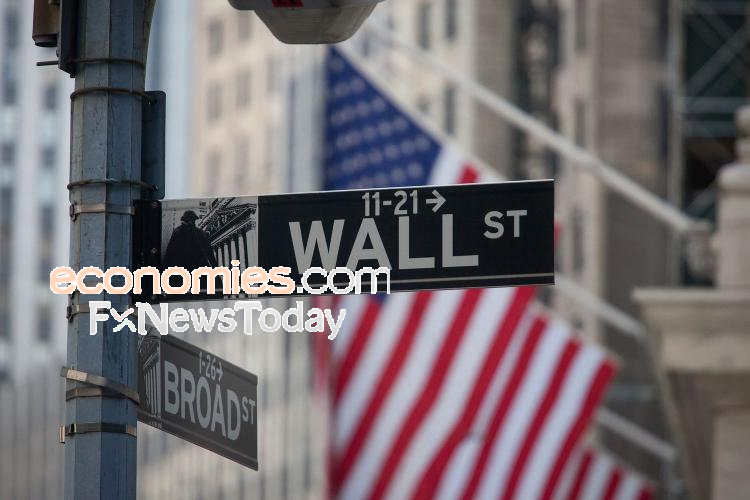
U.S. stocks traded with mixed performance on Monday as investors adopted a more cautious stance ahead of one of the busiest weeks of the earnings season and the Federal Reserve's latest policy meeting.
The S&P 500 hovered near the flatline after recently climbing to fresh record highs, while the Dow Jones Industrial Average posted modest gains. The Nasdaq Composite underperformed slightly as profit-taking in several large technology stocks offset strength in other sectors.
The relatively subdued session reflects a market that has already priced in much of the recent optimism and is now searching for fresh catalysts before extending its rally.
Investors shift focus to earnings and the Federal Reserve
Rather than reacting to geopolitical headlines, Wall Street's attention has largely returned to corporate fundamentals and monetary policy.
This week will bring earnings reports from several of the largest U.S. companies, including major technology firms whose results are expected to play a significant role in determining the market's next direction. Investors will be looking beyond headline earnings figures, paying close attention to management guidance, capital spending plans and commentary on demand trends.
At the same time, the Federal Reserve is widely expected to leave interest rates unchanged. While that outcome is largely priced in, markets will closely analyze Chair Kevin Warsh's remarks for clues about the timing of future policy decisions and the central bank's assessment of inflation and economic growth.
Sector performance highlights a more selective market
The day's trading illustrated a noticeable rotation beneath the surface of the broader indices.
Technology stocks, which have led much of this year's rally, experienced pockets of profit-taking after an extended advance. Meanwhile, financials, industrials and several defensive sectors attracted steady buying as investors diversified their exposure ahead of key market events.
The shift suggests that institutional investors are becoming more selective rather than reducing overall equity exposure. Instead of exiting the market, many appear to be repositioning portfolios in anticipation of a potentially more volatile week.
Market sentiment remains constructive
Despite Monday's muted trading, the broader backdrop for equities remains favorable.
Easing geopolitical tensions have reduced demand for traditional safe-haven assets, while lower Treasury yields and a softer U.S. dollar have helped preserve the supportive environment for equities. Economic data released in recent weeks has also reinforced expectations that the U.S. economy continues to expand without showing clear signs of a significant slowdown.
That combination has allowed stocks to remain close to record highs even as valuations have become increasingly demanding.
What traders are watching next
The next few sessions could prove decisive for Wall Street's near-term direction.
Corporate earnings, the Federal Reserve's policy decision and a series of important U.S. economic reports will likely determine whether investors are willing to push equities to fresh records or instead lock in profits following the market's strong advance over recent months.
For now, the absence of aggressive selling suggests that investors remain broadly optimistic. However, with valuations elevated and expectations high, markets may require another round of strong earnings and reassuring guidance from both corporate America and the Federal Reserve to sustain the current rally.
Bitcoin steadies while altcoins diverge as investors await the next market catalyst

Cryptocurrencies traded in mixed fashion on Monday evening as investors took a breather following a strong run over recent weeks, with Bitcoin holding firm near record territory while several major altcoins posted more pronounced moves.
Bitcoin hovered around $172,000, remaining little changed on the day after briefly testing fresh all-time highs earlier this month. Ethereum traded near $5,900, while XRP edged higher toward the $4 mark. Solana outperformed many of its large-cap peers with modest gains, whereas BNB and Dogecoin fluctuated within relatively narrow ranges.
The subdued price action suggests that investors are consolidating recent gains rather than aggressively taking profits, reflecting continued confidence in the broader crypto market despite a lack of fresh catalysts.
Institutional demand remains the market's foundation
One of the defining themes of this year's rally has been the steady flow of institutional capital into digital assets.
Spot Bitcoin exchange-traded funds continue to attract significant inflows, while large asset managers and corporate investors have steadily increased their exposure to cryptocurrencies. That persistent demand has helped absorb periods of profit-taking that, in previous market cycles, would likely have triggered much sharper corrections.
At the same time, institutional interest has gradually expanded beyond Bitcoin. Ethereum continues to benefit from growing ETF adoption and staking demand, while investors are increasingly looking at high-quality altcoins with strong blockchain ecosystems rather than chasing purely speculative tokens.
Why are altcoins behaving differently?
Unlike Bitcoin, which is increasingly trading as a macro asset influenced by institutional flows, many alternative cryptocurrencies continue to react more strongly to project-specific developments and changes in investor sentiment.
Ethereum remains supported by expectations for further institutional adoption and continued growth in decentralized finance. XRP continues to attract attention following regulatory progress and expanding cross-border payment initiatives. Solana, meanwhile, has benefited from sustained developer activity and growing adoption across decentralized applications and tokenized assets.
That divergence highlights a broader shift within the crypto market, where capital is becoming more selective instead of lifting the entire sector indiscriminately.
Macro factors are back in focus
Although cryptocurrencies have increasingly developed their own fundamental drivers, broader financial markets continue to influence short-term price action.
Investors are closely watching this week's Federal Reserve meeting, as any shift in expectations for interest rates could affect liquidity conditions across global markets. Lower Treasury yields and a softer U.S. dollar have generally created a more supportive backdrop for risk assets, including cryptocurrencies.
Meanwhile, easing geopolitical tensions in the Middle East have helped improve overall investor sentiment, encouraging demand for higher-risk assets after several weeks dominated by safe-haven buying.
What traders are watching next
The next major move in cryptocurrencies will likely depend on whether new buying interest emerges following the recent consolidation.
A dovish tone from the Federal Reserve, continued institutional inflows into Bitcoin and Ethereum ETFs, or another wave of corporate treasury purchases could provide fresh momentum for the market. Conversely, stronger-than-expected U.S. economic data or a renewed rise in Treasury yields could temporarily slow the rally by encouraging investors to reduce exposure to risk assets.
For now, however, the broader trend remains constructive. Bitcoin continues to trade comfortably above key support levels, institutional participation remains robust, and major altcoins are increasingly being driven by their own fundamental stories rather than simply following Bitcoin's lead. Those dynamics suggest that the current pause resembles consolidation within a broader uptrend rather than the beginning of a significant market reversal.
Oil tumbles as easing U.S.-Iran tensions erase much of last week's geopolitical risk premium

Oil prices remained under heavy pressure on Monday afternoon as traders continued to unwind the geopolitical premium built into crude prices during last week's escalation between the United States and Iran.
Brent crude fell around 7% to trade near $89.5 a barrel, while U.S. West Texas Intermediate (WTI) dropped roughly 7% to around $84.2 a barrel. The sharp selloff erased a significant portion of last week's rally, when fears of supply disruptions briefly pushed prices toward multi-month highs.
Why are oil prices falling?
The main catalyst is a rapid improvement in market sentiment surrounding the Middle East.
Over the weekend, both Washington and Tehran signaled a pause in military operations, raising hopes that the recent conflict may not escalate into a broader regional war. Investors have also become increasingly optimistic that commercial shipping through the Strait of Hormuz will continue without major disruptions, easing fears over one of the world's most critical energy supply routes.
As those supply concerns faded, traders rushed to lock in profits after last week's surge, accelerating the decline in crude prices.
Risk premium disappears—but uncertainty remains
Although the market has priced out much of the immediate geopolitical risk, few analysts believe volatility is over.
The ceasefire remains fragile, and any renewed military action or threat to shipping through the Strait of Hormuz could quickly send oil prices higher again. Roughly one-fifth of global oil consumption passes through the waterway, making it one of the world's most strategically important energy chokepoints.
That means traders are likely to remain highly sensitive to political headlines even as today's price action suggests a return to calmer conditions.
What traders are watching next
With geopolitical fears temporarily easing, attention is beginning to shift back toward economic fundamentals.
Investors will closely monitor this week's Federal Reserve meeting, upcoming U.S. economic data and the outlook for global fuel demand. Any signs that higher interest rates could slow economic activity may add further pressure to crude prices, while stronger-than-expected growth data could help stabilize the market.
For now, however, sentiment remains driven primarily by developments in the Middle East. Unless tensions flare up again, oil prices could remain under pressure in the near term as the market continues to unwind the risk premium accumulated during last week's conflict.
U.S. dollar slips as easing Middle East tensions shift focus to the Federal Reserve
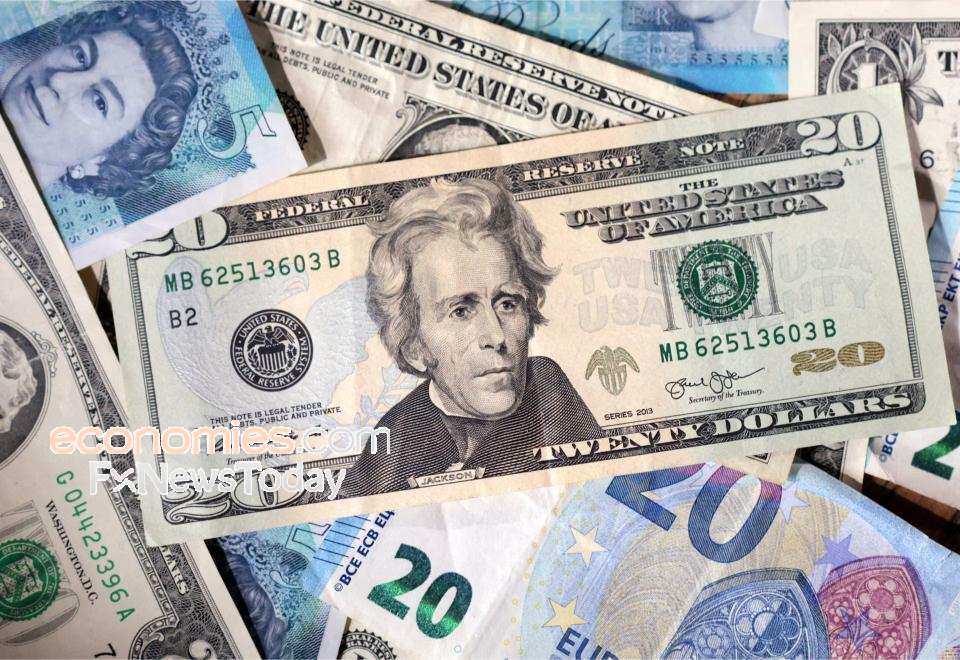
The U.S. dollar weakened against most major currencies on Monday as investors unwound part of last week's safe-haven positioning following signs of easing tensions between the United States and Iran.
The U.S. Dollar Index, which measures the greenback against a basket of six major currencies, hovered around 101.3 during European trading after slipping roughly 0.3% from Friday's levels. The euro rose about 0.3% to around $1.14, while the Japanese yen and British pound also strengthened against the dollar.
Why is the dollar weakening?
The dollar's decline has less to do with U.S. economic data and more with a sharp shift in market sentiment.
The temporary pause in hostilities between Washington and Tehran triggered a steep decline in oil prices, reducing fears of another inflation shock. As oil retreated, U.S. Treasury yields also moved lower, diminishing one of the dollar's biggest sources of support over the past two weeks.
At the same time, investors rotated back toward riskier assets, reducing demand for the dollar's traditional safe-haven appeal.
All eyes on the Federal Reserve
Despite today's pullback, few investors appear willing to make aggressive bets against the dollar ahead of this week's Federal Reserve meeting.
The central bank is widely expected to leave interest rates unchanged, but markets will closely scrutinize Chair Kevin Warsh's comments for clues about the policy outlook. While expectations for a July rate hike have eased, traders continue to see a meaningful possibility of tighter policy later this year if inflation remains elevated.
This week's calendar also includes several key U.S. economic releases that could reshape expectations for the path of interest rates and, in turn, the direction of the dollar.
Outlook
For now, the dollar appears to be caught between two competing forces.
On one hand, easing geopolitical tensions, lower oil prices and softer Treasury yields are weighing on the currency. On the other, the Federal Reserve continues to maintain a relatively restrictive policy stance, limiting the scope for a deeper decline.
Unless geopolitical tensions flare up again, the dollar's direction over the next few days is likely to be driven primarily by the Federal Reserve's policy decision, Chair Warsh's remarks and incoming U.S. economic data rather than developments in the Middle East.