


 |
Fed holds interest rates as two officials push for hike, leaving December tightening on the table
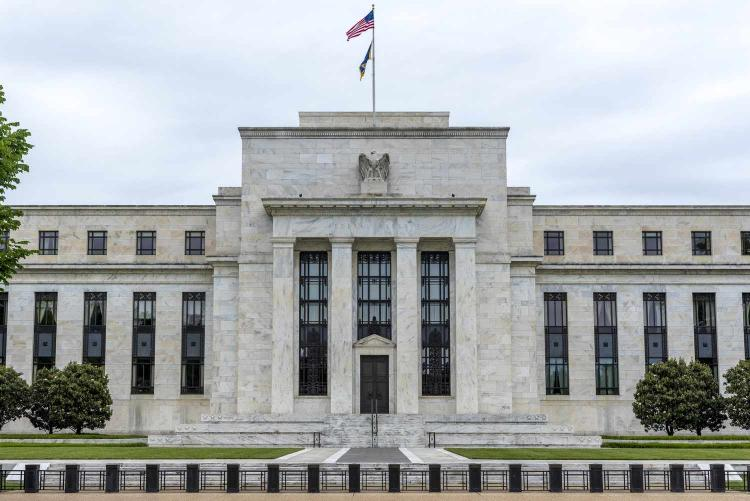
The Federal Reserve left interest rates unchanged on Wednesday, October 28, but signaled that further monetary tightening remains possible as persistent inflation and elevated energy prices complicate the outlook for the US economy.
The Federal Open Market Committee voted 10–2 to maintain its benchmark rate at 3.75%–4.00%, pausing after September's quarter-point increase, the first in three years.
The decision was widely expected, but the unusually divided vote and the Fed's assessment of inflation reinforced concerns that borrowing costs could rise again before the end of 2026.
Two officials demand higher rates
Federal Reserve Governor Lisa Cook and Cleveland Fed President Beth Hammack dissented, favoring an immediate 25-basis-point increase.
Their opposition marked a departure from September's unanimous decision and demonstrated that some policymakers believe current interest rates remain insufficient to contain inflation.
The committee acknowledged that inflation remains elevated while offering a more positive assessment of economic activity.
It also emphasized the need for additional economic data before determining the appropriate monetary policy stance.
The statement leaves the possibility of another rate increase in December firmly under consideration, rather than signaling that the tightening cycle has ended.
Inflation keeps pressure on policymakers
Annual US consumer inflation reached 3.7% in September, well above the Fed's 2% target. Higher oil prices have added to the problem, threatening to increase transportation and production costs across the economy.
Meanwhile, the 10-year Treasury yield has approached 5%, raising financing costs even without another increase in the Fed's benchmark rate.
What the decision means for markets
For Wall Street, the prospect of additional tightening presents a particular challenge to technology companies, whose valuations depend heavily on expectations of future earnings.
Higher Treasury yields could weaken the appeal of expensive AI stocks and increase the cost of financing data centers and other infrastructure projects.
The dollar could benefit from expectations of higher US interest rates, while gold and cryptocurrencies may face renewed pressure.
Mortgage borrowers and businesses would also remain exposed to elevated financing costs.
December becomes the next test
The Fed's decision shifts attention to incoming inflation and employment figures, particularly Thursday's personal consumption expenditures report.
Another strong inflation reading would strengthen the case for a December increase, while evidence of slowing price pressures could give policymakers more time.
For investors, Wednesday's decision offered little immediate relief: interest rates remain unchanged, but the possibility of further tightening has not disappeared.
Thanks for your feedback.
Bitcoin holds above $80,000 as cryptocurrencies await Federal Reserve decision

Bitcoin traded above $80,000 on Wednesday, October 28, as investors avoided major positions ahead of the Federal Reserve's interest rate decision, while other leading cryptocurrencies struggled to establish a clear direction.
MoreYen weakens toward 158 per dollar ahead of Fed and Bank of Japan decisions

The yen remained under pressure on Wednesday, October 28, trading near 158 per dollar as investors prepared for monetary policy announcements from the Federal Reserve and Bank of Japan.
MoreCanadian dollar steadies ahead of Bank of Canada rate decision as oil prices rise
The Canadian dollar traded in a narrow range against its US counterpart on Wednesday, October 28, as investors prepared for interest rate decisions from the Bank of Canada and Federal Reserve.
More