


 |
|
The USDCHF attacks key resistance - Analysis-23-04-2026
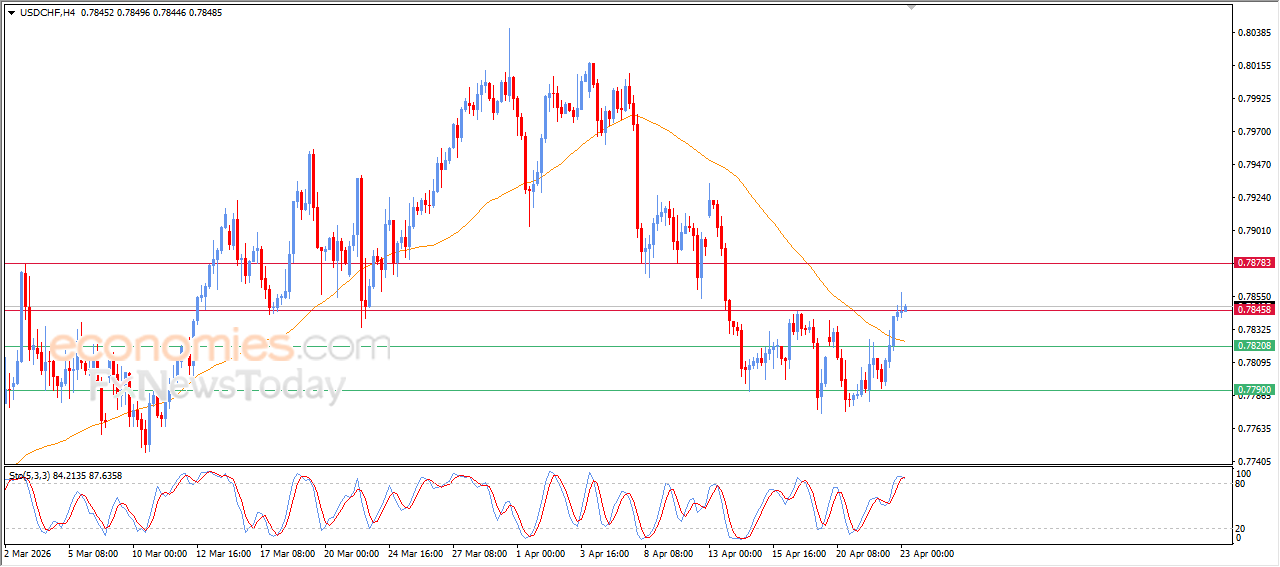
USDCHF continued its upward movement in recent intraday trading after managing to overcome the negative pressure from EMA50. The pair is now testing the key resistance level at 0.7845.
On the other hand, early signs of a bearish crossover are starting to appear on the relative strength indicators after reaching heavily overbought conditions, which may reduce the gains in the upcoming period due to its neediness to offload some of these overbought conditions before resuming its rise again.
NZDUSD price pulls back under key resistance - Analysis-23-04-2026
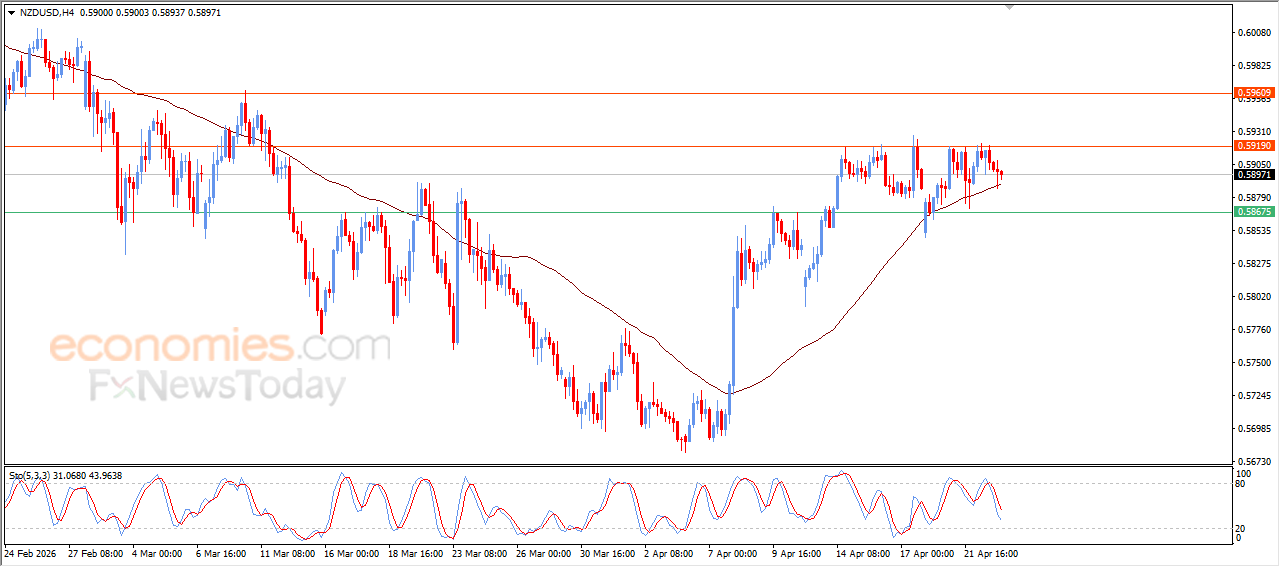
NZDUSD declined during its recent intraday trading after failing to break the key resistance level at 0.5920. This came alongside negative signals from the relative strength indicators after reaching heavily overbought levels. However, those indicators are now entering deeply oversold territory relative to the pair’s movement, suggesting the potential emergence of renewed positive momentum.
MoreThe AUDUSD is supported by its moving average - Analysis-23-04-2026
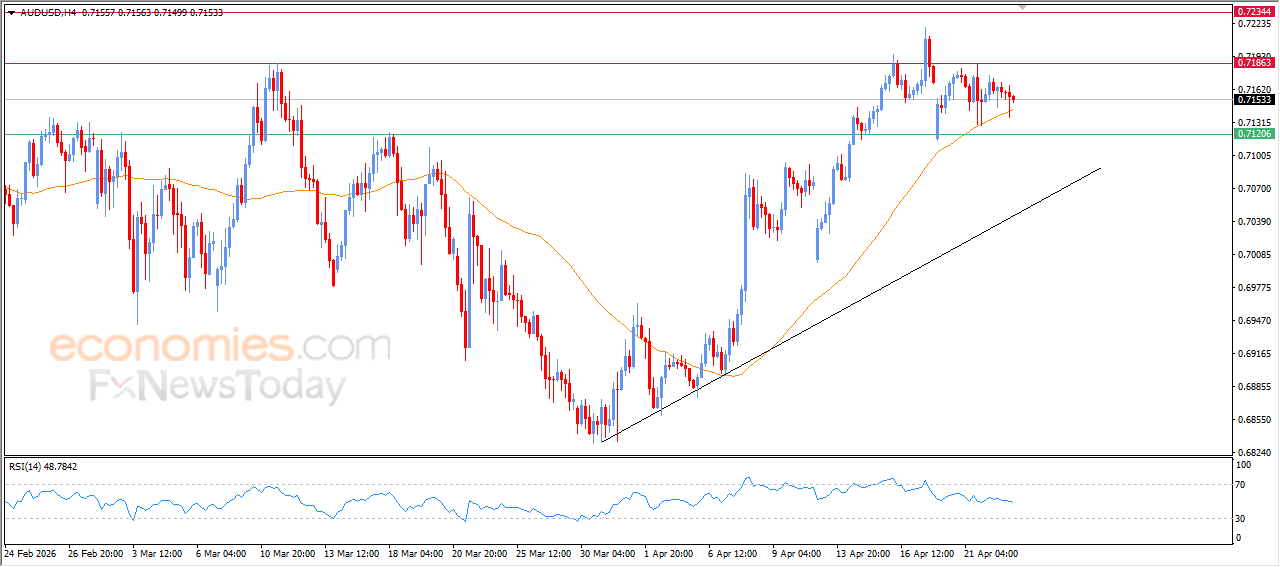
AUDUSD declined in its recent intraday trading, amid emerging negative signals from the relative strength indicators, despite reaching oversold levels. This reflects the pair’s attempt to build positive momentum that could help it recover and move higher again, the pair is finding support at EMA50, which enhances the chances of a near-term recovery, especially with the dominance of the main short-term bullish trend.
MoreThe USDCAD price stabilizes on cautious gains - Analysis-23-04-2026
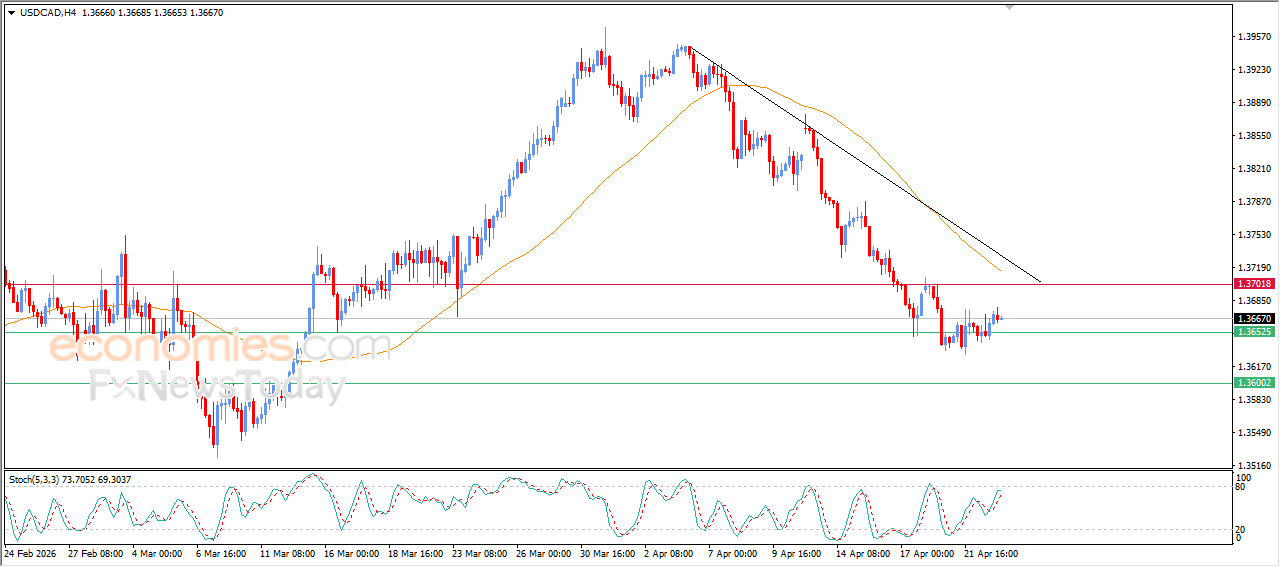
USDCAD is holding onto cautious gains in its recent intraday trading, supported by the stability of the key support level at 1.3650. The pair is also receiving some positive signals from the relative strength indicators, attempting to recover part of its previous losses. However, these indicators reached heavily overbought levels relative to the pair’s movement, with the continuation of negative pressure by trading below EMA50, reinforcing the dominance and stability of the short-term bearish corrective trend.
More