


 |
|
NZDUSD Shows New Negative Signals – Analysis – 09-06-2026
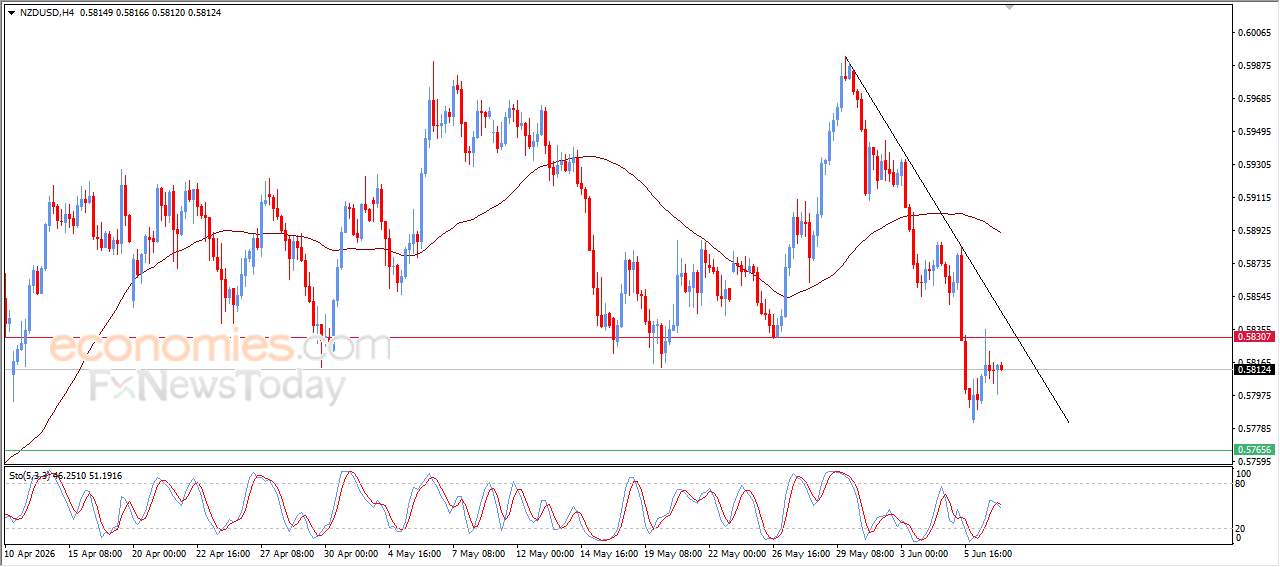
NZDUSD fluctuated during recent intraday sessions, amid the dominance of the dominance of the bearish trend on the short-term basis, with its trading alongside steep bearish trend on the short-term basis, with the continuation of the negative pressure that comes from its trading below EMA50, intensifying the negative pressure near the pair, especially with the emergence of the negative signals from the relative strength indicators, after offloading its oversold levels.
AUDUSD Prepares to Break a Key Support Level – Analysis – 09-06-2026
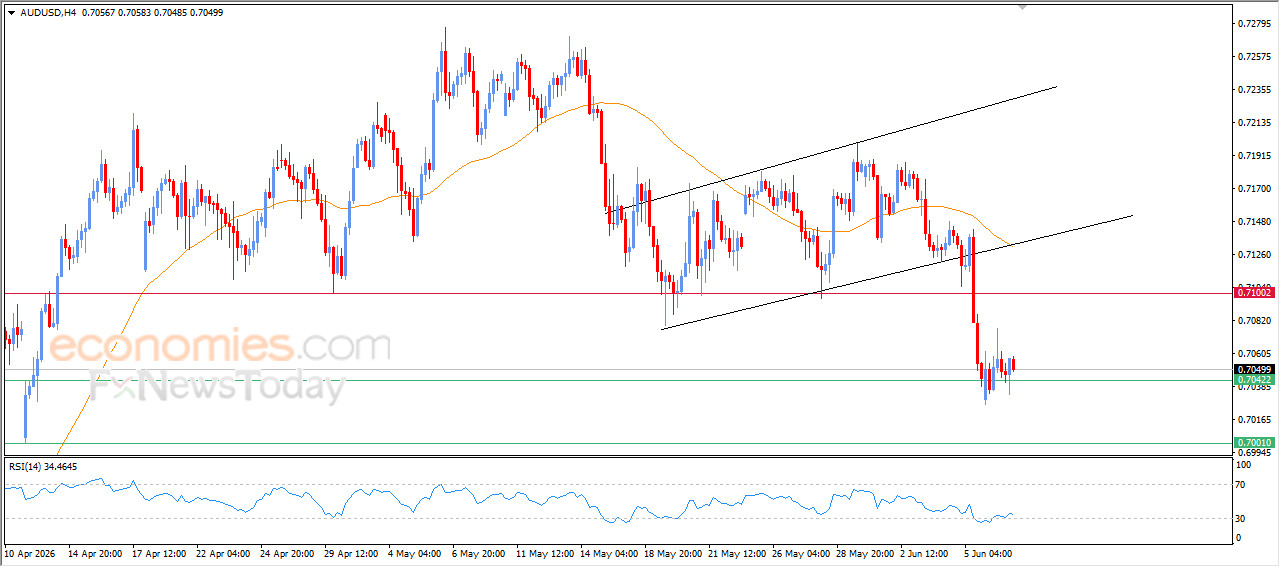
AUDUSD declined in recent intraday trading after partially easing its oversold condition on the Relative Strength Indicators, which opens the door for further downside movement in the near term. This comes amid continued negative pressure as the pair trades below the EMA50, limiting recovery attempts and reinforcing the short-term bearish bias.
MoreUSDCAD Attempts to Regain Positive Momentum – Analysis – 09-06-2026
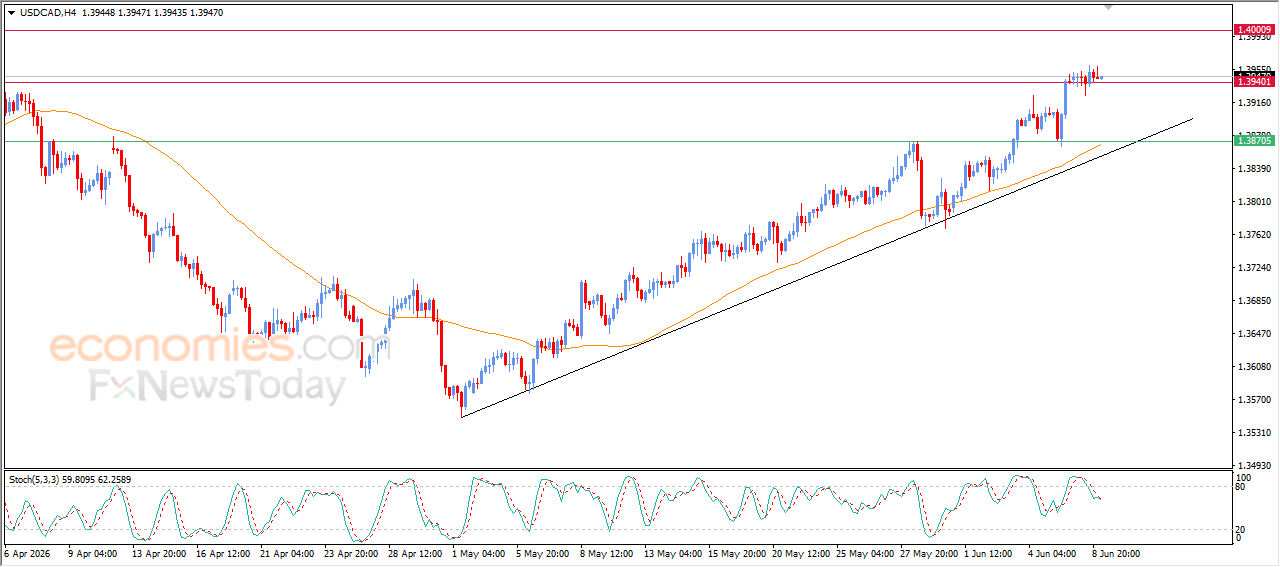
USDCAD fluctuated during recent intraday sessions as relative strength indicators generated negative signals after reaching heavily overbought levels. The pair appears to be easing this overbought condition to rebuild bullish momentum and resume its upward movement.
MoreUSDJPY Holds Firm to The Bullish Trend – Analysis – 09-06-2026
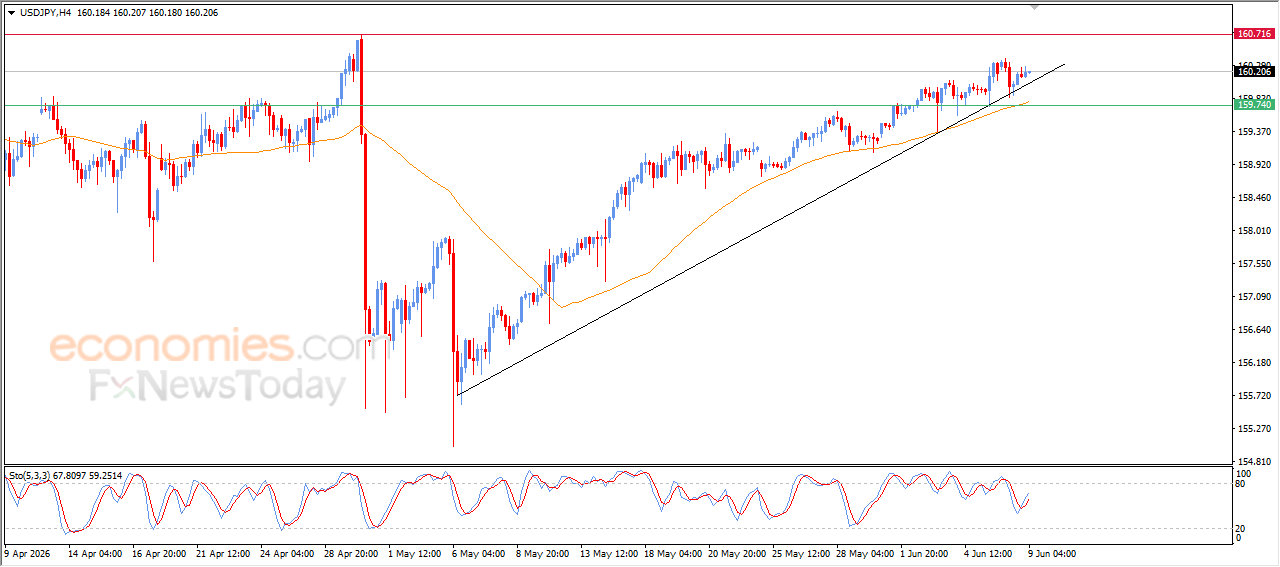
The USDJPY pair rose during recent intraday trading after finding support at a short-term ascending trendline, providing fresh bullish momentum, strengthened by the pair’s ability to trade above the EMA50, which continues to serve as dynamic support and reinforces the stability of the upward trend.
More