


 |
|
The AUDUSD ends hopes of recovery - Analysis-02-04-2026
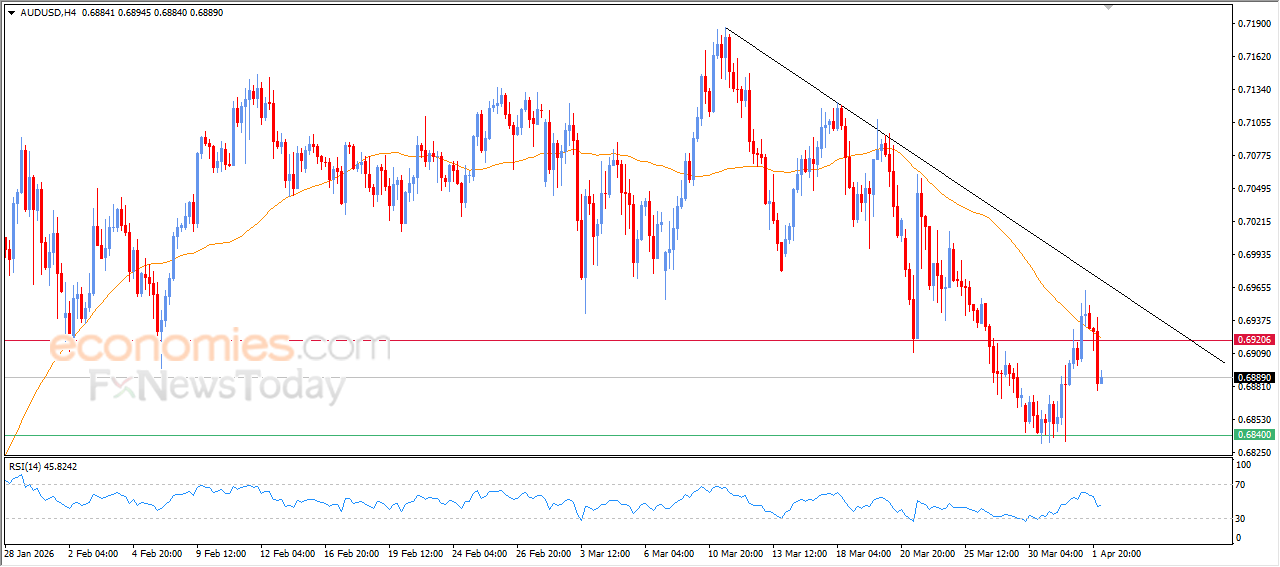
The AUDUSD pair declined during its recent intraday trading, settling below EMA50, which exposes it to increased negative pressure in the near term. This comes amid the dominance of a main short-term downtrend, with price moving along a supportive trendline for this bearish path.
Additionally, negative signs emerge from the relative strength indicators, after it previously reached heavily overbought levels.
The USDCAD price begins to regain its recovery - Analysis-02-04-2026
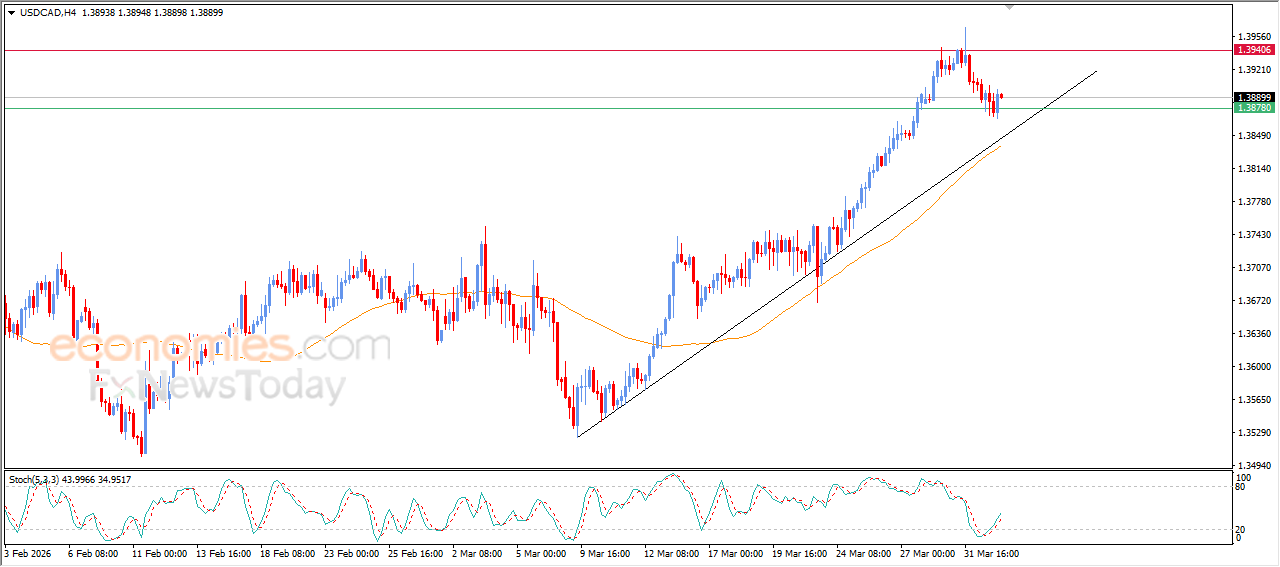
The USDCAD pair rose during its recent intraday trading due to the stability of the support level at 1.3875, following a decline that aimed to correct the main short-term uptrend. The pair continues to move along a supportive trendline, benefiting from dynamic support as it trades above the EMA50.
Additionally, positive signals emerging from the relative strength indicators after reaching deeply oversold levels, which increases the positive momentum surrounding the pair in the near term.
The USDJPY reaches the resistance of its simple moving average -Analysis-02-04-2026
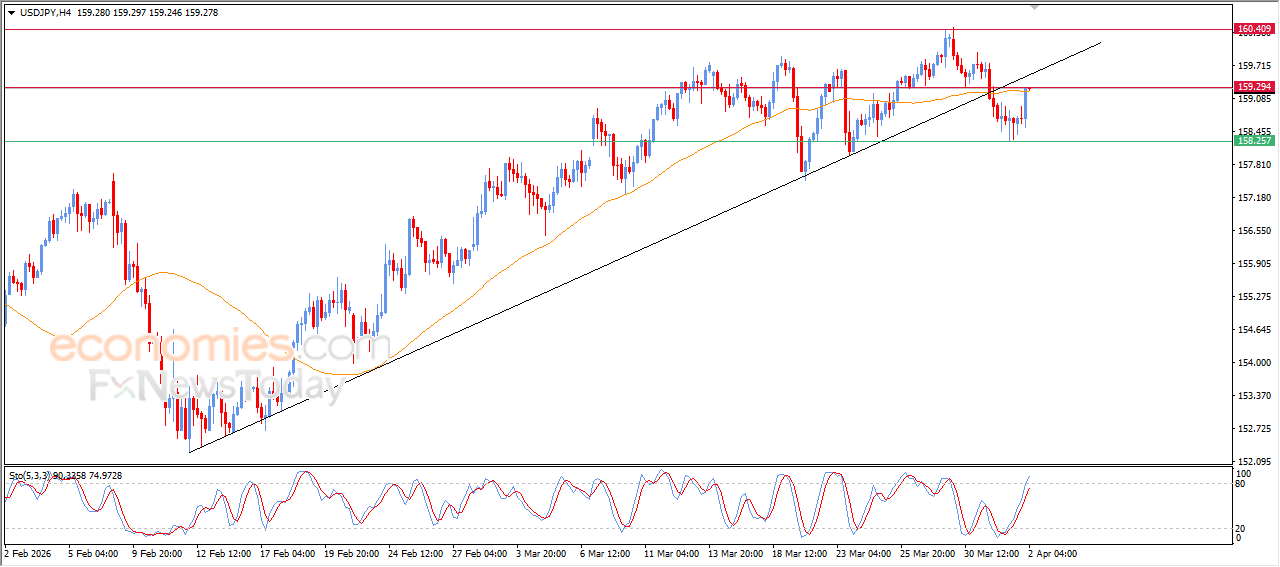
The USDJPY pair rose during its recent intraday trading, driven by positive signals from the relative strength indicators. However, the indicator has entered heavily overbought territory, excessively compared to the price movement, suggesting a rapid fading of the bullish momentum surrounding the pair.
This comes as the price is currently encountering resistance at the EMA50, amid the dominance of a bearish corrective wave, and after the pair had previously broken a key short-term ascending trendline.
GBPUSD price faces bearish pressure - Analysis- 02-04-2026
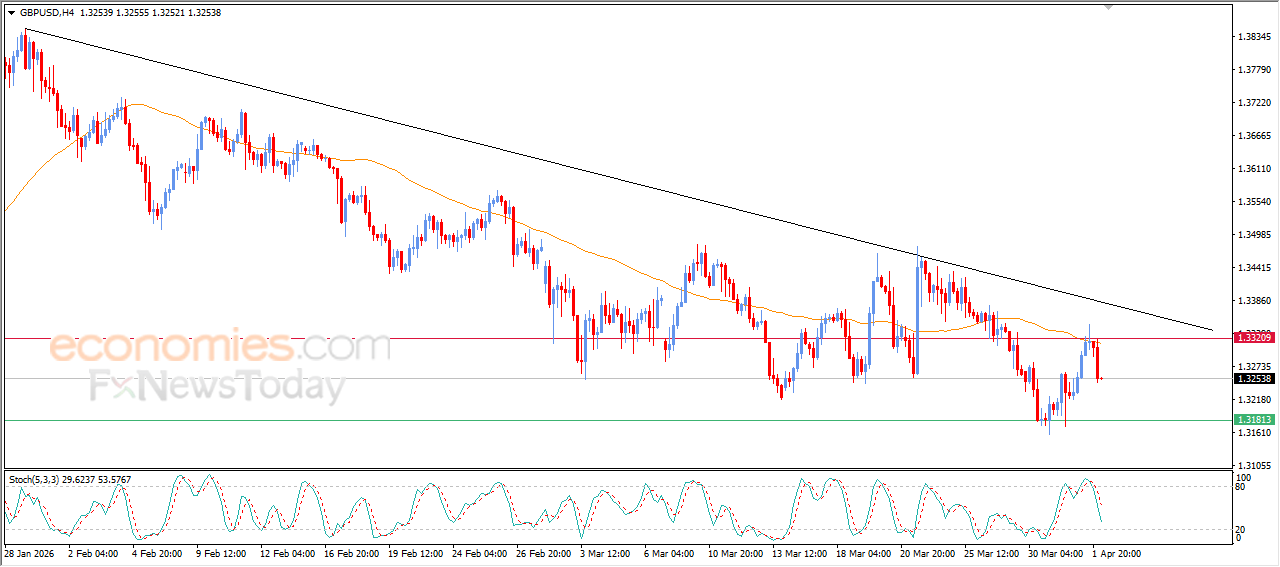
The GBPUSD pair declined during its recent intraday trading after encountering resistance at EMA50, which exposed it to negative pressure and forced it lower. This comes amid the dominance of a main short-term bearish trend, with price moving alongside a supportive trendline for this bearish path, with the emergence of negative signals from the relative strength indicators, following the formation of a negative divergence, which increases the downside pressure surrounding the pair.