


 |
Binance hack shakes cryptocurrency market as $6.3 billion in assets are affected

Binance, the world's largest cryptocurrency exchange, has suffered a major security breach, with the company estimating that approximately $6.3 billion in assets were affected, making it one of the largest cybersecurity incidents in the industry's history.
Preliminary investigations indicate that the attack began with the compromise of an operations engineer's laptop, allowing unauthorized withdrawal transactions to be executed. So far, there is no evidence that wallet private keys were exposed.
How did Binance respond to the crisis?
The exchange announced several precautionary measures to address the consequences of the breach, including:
• Freezing approximately $3 billion in assets linked to the incident.
• Temporarily suspending deposits and withdrawals to conduct the necessary security checks.
• Revoking the permissions associated with the compromised address.
• Cooperating with law enforcement agencies and blockchain analytics companies to trace the movement of funds.
• Pledging to cover all losses using its Secure Asset Fund for Users (SAFU) and company funds.
How did cryptocurrency markets react?
The following movements reflect asset performance during the selloff associated with the incident and do not represent live prices.
• Bitcoin: Fell below $78,000, reaching its lowest level in approximately six weeks.
• Ethereum: Declined more than 3% to around $2,186.
• BNB: Dropped more than 8% over 24 hours, according to CoinGecko data.
• Coinbase: Shares fell approximately 4.8% in extended trading.
Where does the real risk lie?
The risks extend beyond the amount of money stolen, encompassing three major areas:
1. Confidence
Binance is one of the largest liquidity hubs in the cryptocurrency market. A security breach of this magnitude could prompt investors to reassess the risks of holding assets on centralized exchanges and raise concerns about the protection these platforms provide for customer funds.
2. Reserves
An analysis published by CoinDesk indicated that some affected wallets had been included in the exchange's previous proof-of-reserves disclosures, raising questions about whether certain customer balances would remain fully backed until the stolen assets were replaced.
This issue will require further clarification from Binance and close examination of its next proof-of-reserves report.
3. Frozen funds
The ability of companies such as Tether and Circle to freeze assets linked to the breach highlighted the role stablecoin issuers can play in restricting the movement of stolen funds and intervening to prevent their transfer or use.
Economies.com outlook
The Binance hack represents a significant test of investor confidence in the cryptocurrency market's infrastructure, particularly as the value of affected assets places the incident among the largest breaches in the industry's history.
Although the exchange's pledge to cover losses and the freezing of a substantial portion of the affected assets could help contain the fallout, continued uncertainty over the remaining funds may encourage investors to temporarily reduce their exposure to digital assets, increasing volatility in Bitcoin and altcoins.
Thanks for your feedback.
Yen strengthens after Bank of Japan holds rates and signals further tightening
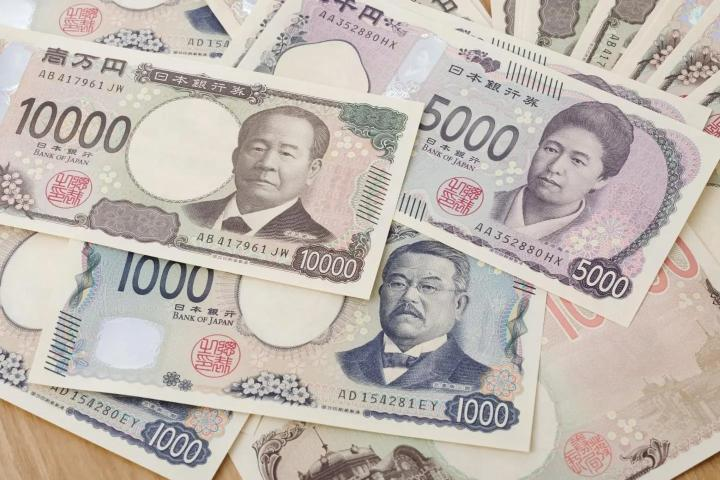
The yen strengthened against the US dollar on Friday, October 30, after the Bank of Japan kept interest rates unchanged but raised its inflation outlook, reinforcing expectations of another increase before the end of the year.
MoreUS dollar retreats despite strong GDP growth as Fed rate outlook remains uncertain
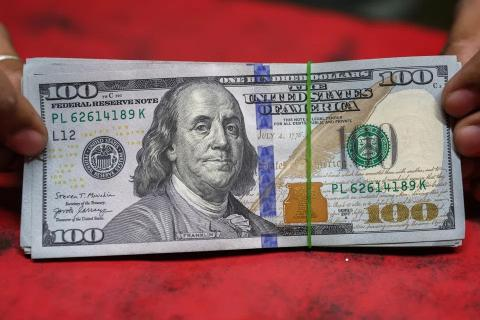
The US dollar declined against major currencies on Thursday, October 29, as investors assessed stronger-than-expected economic growth, accelerating inflation and the Federal Reserve's reluctance to signal another interest rate increase in December.
MoreAlphabet shares plunge nearly 12% as AI spending and slowing search growth overshadow cloud boom

Alphabet shares plunged nearly 12% on Thursday, October 29, putting Google's parent company on course for its worst trading session in more than two decades after disappointing quarterly earnings exposed the mounting financial burden of its artificial intelligence investments.
More