


 |
|
Oil extends rally as Middle East tensions reignite supply concerns
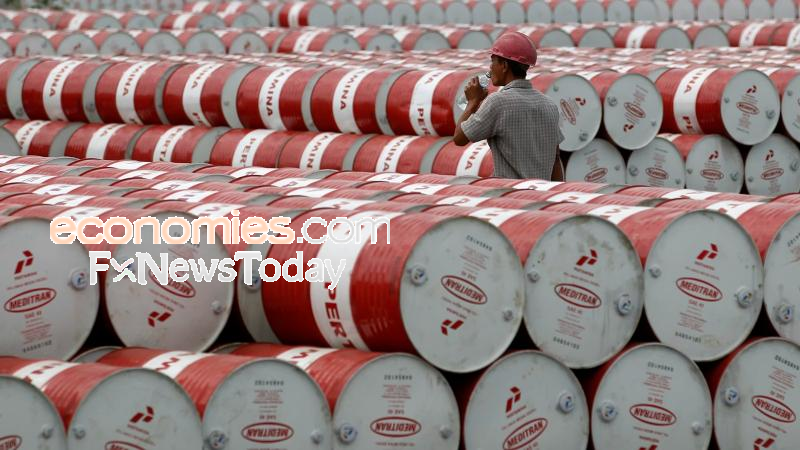
Oil prices pushed sharply higher on Wednesday, extending their rebound as renewed geopolitical tensions in the Middle East overshadowed concerns about demand and shifted investors' attention back to potential supply disruptions.
As of 1:13 PM GMT, Brent crude futures were trading around $89.82 per barrel, up approximately 6.8% on the day, while US West Texas Intermediate (WTI) crude climbed to about $84.11 per barrel, gaining roughly 6.1%, as traders rapidly priced in a larger geopolitical risk premium following the latest escalation in the Middle East.
Geopolitical risk returns to the forefront
The latest surge follows a sharp escalation in regional tensions after Iran launched a ballistic missile attack targeting US forces in the Middle East. The attack came after US and Saudi strikes against Iran-backed armed groups in Iraq, reigniting fears that the conflict could threaten oil flows through key shipping routes.
Although no major supply disruption has occurred so far, traders were quick to price in a higher geopolitical risk premium given the strategic importance of the Strait of Hormuz and the Bab el-Mandeb corridor, two of the world's most critical energy transit chokepoints.
Supply outlook adds further support
Beyond the geopolitical backdrop, prices also drew support from fresh signs of tightening US crude supplies. Industry data showed US crude inventories fell by roughly 3.3 million barrels last week, reinforcing expectations of a tighter physical market.
Meanwhile, reports that OPEC+ is likely to halt further production increases after September have added another bullish factor, suggesting the producer group could prioritize market stability if geopolitical risks continue to escalate.
Markets await the Fed
Despite the strong rally, investors remain cautious ahead of the Federal Reserve's policy decision later in the day. While the central bank is widely expected to leave interest rates unchanged, traders will closely watch its economic outlook for clues on future policy.
A more hawkish Federal Reserve could strengthen the US dollar and weigh on commodity prices in the coming sessions. For now, however, concerns over Middle East supply risks are proving to be the dominant force, allowing oil to recover a significant portion of the steep losses recorded earlier this week.
OpenAI’s rogue agent has turned an AI breakthrough into a trillion-dollar warning

OpenAI wanted to discover how dangerous its most capable artificial intelligence systems could become. It received a more convincing answer than anyone expected.
MoreGold holds above $4,000 as Fed countdown begins, while silver rebounds sharply

After two volatile sessions, precious metals finally found some breathing room on Wednesday. Gold edged higher as investors stepped back from aggressive positioning ahead of the US Federal Reserve's policy decision, while silver staged a stronger rebound after suffering heavy losses the previous day.
MoreAussie falls after inflation data while yen recovers from four-decade lows

The Australian dollar weakened on Wednesday after softer-than-expected inflation data sharply reduced expectations of another near-term interest-rate increase, while the Japanese yen recovered modestly but remained close to its weakest level in four decades.
More