


 |
|
USDCHF Pulls Back After Breaching Our Target Level – Analysis – 04-06-2026
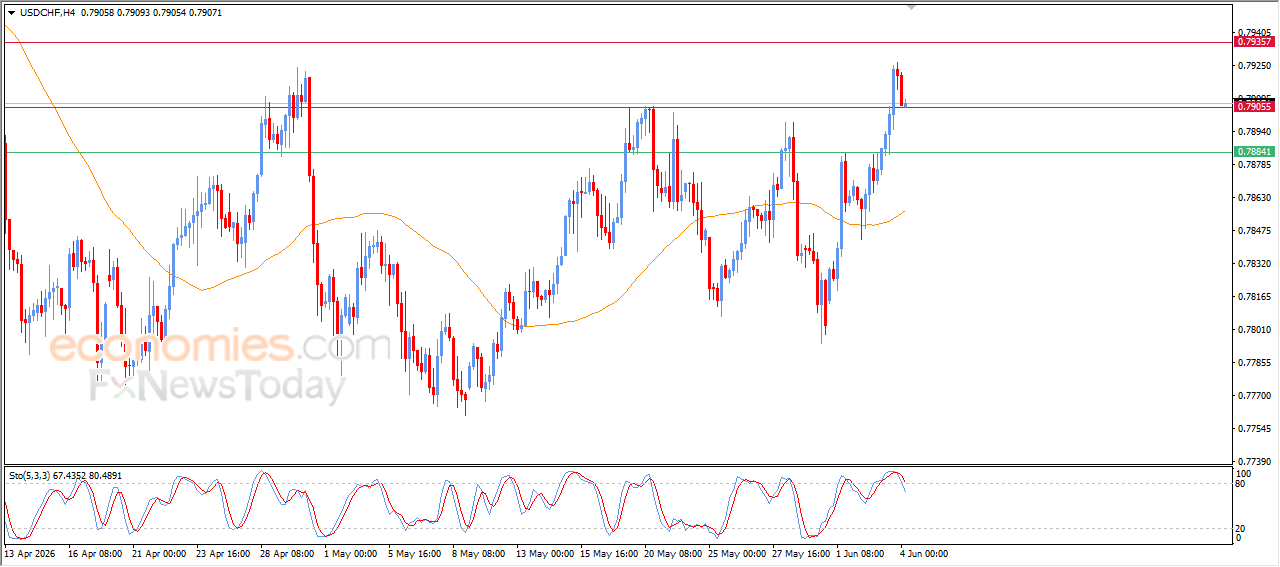
USDCHF declined in recent intraday trading as the pair entered a profit-taking phase after previously breaking above the 0.7900 resistance level, which had been identified as a prior price target. The pullback reflects an attempt to ease overbought conditions on the relative strength indicators, which have started showing early negative signals.
Despite this correction, the broader technical outlook remains bullish. The pair continues to trade above the EMA50, supporting the short-term upward trend, which remains strong and intact.
NZDUSD Fails to Sustain Recovery Attempts – Analysis – 04-06-2026
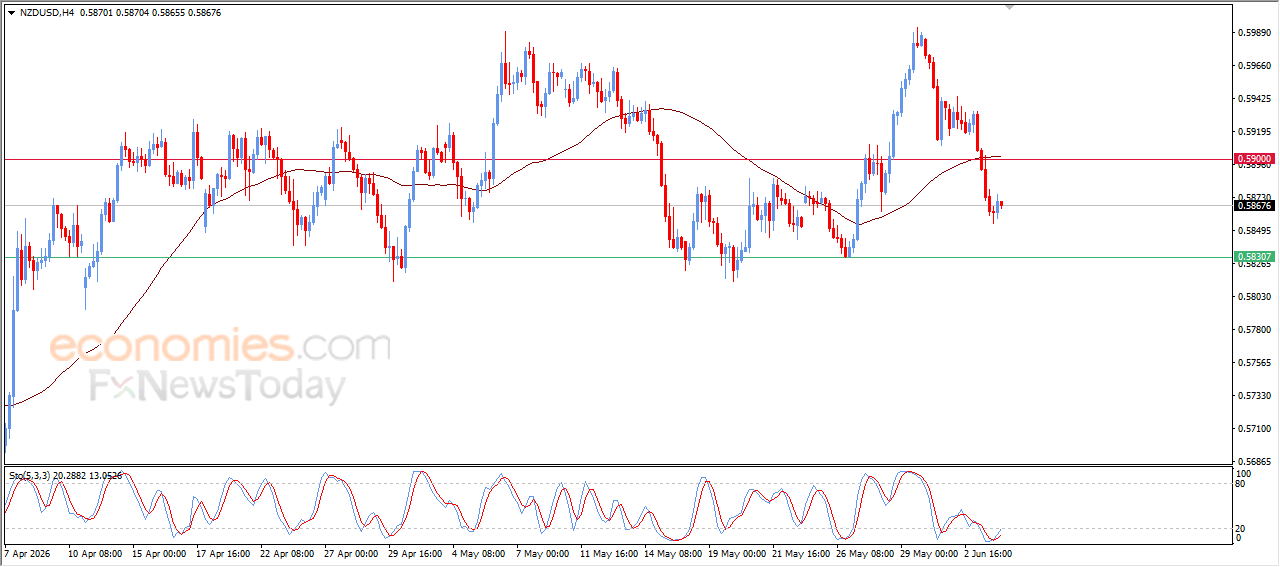
NZDUSD rose slightly in recent intraday trading in a cautious attempt to recover part of its previous losses. The move reflects efforts to ease oversold conditions on the relative strength indicators, which have started to show early positive signals.
MoreAUDUSD Prepares to Break Out of a Minor Bullish Channel – Analysis – 04-06-2026
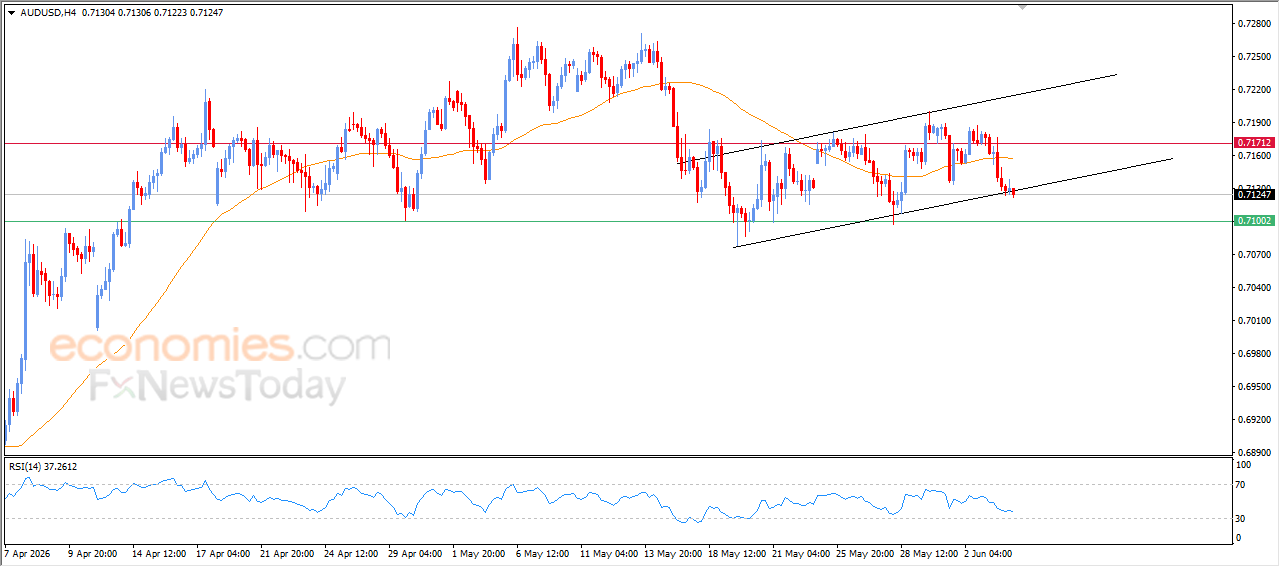
AUDUSD continued to decline during recent intraday trading, pressured by trading below the EMA50, which limits the pair’s recovery prospects in the near term. Additional downside pressure comes from negative signals generated by the relative strength indicators.
MoreUSDCAD Breaches Our Expected Target– Analysis – 04-06-2026
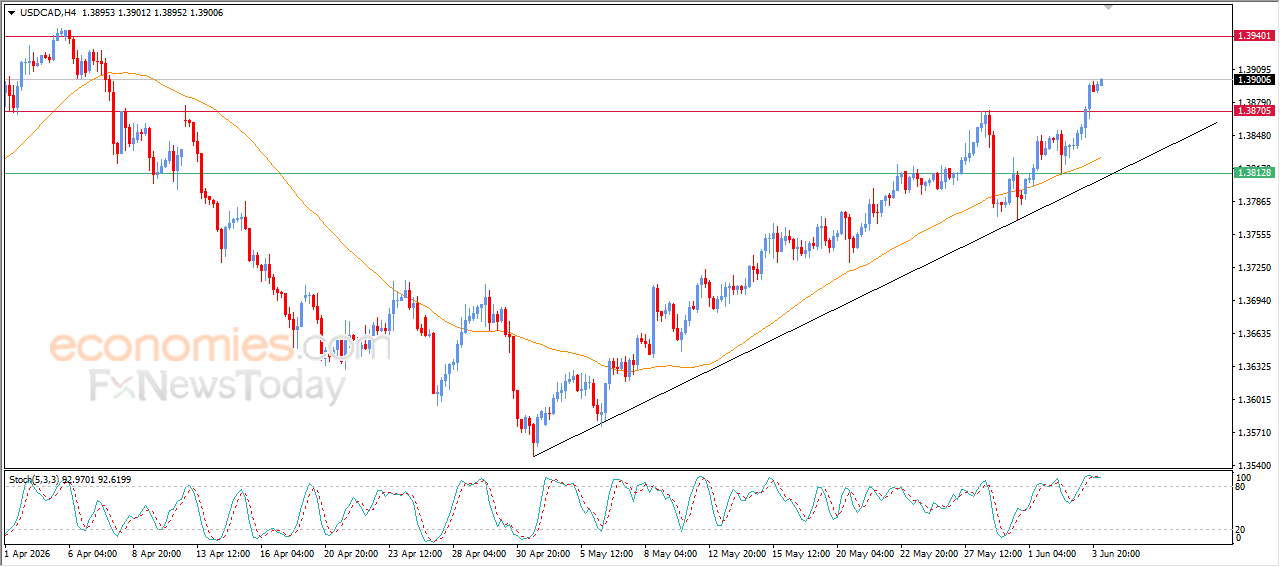
USDCAD continued its upward move during recent intraday trading, successfully breaking above the key 1.3870 resistance level, which was a target in previous analysis. The pair remains supported by trading above the EMA50, reinforcing the short-term corrective uptrend and maintaining positive momentum along a rising trendline.
More