


 |
NZDUSD Receives a Positive Boost – Analysis –27-10-2026
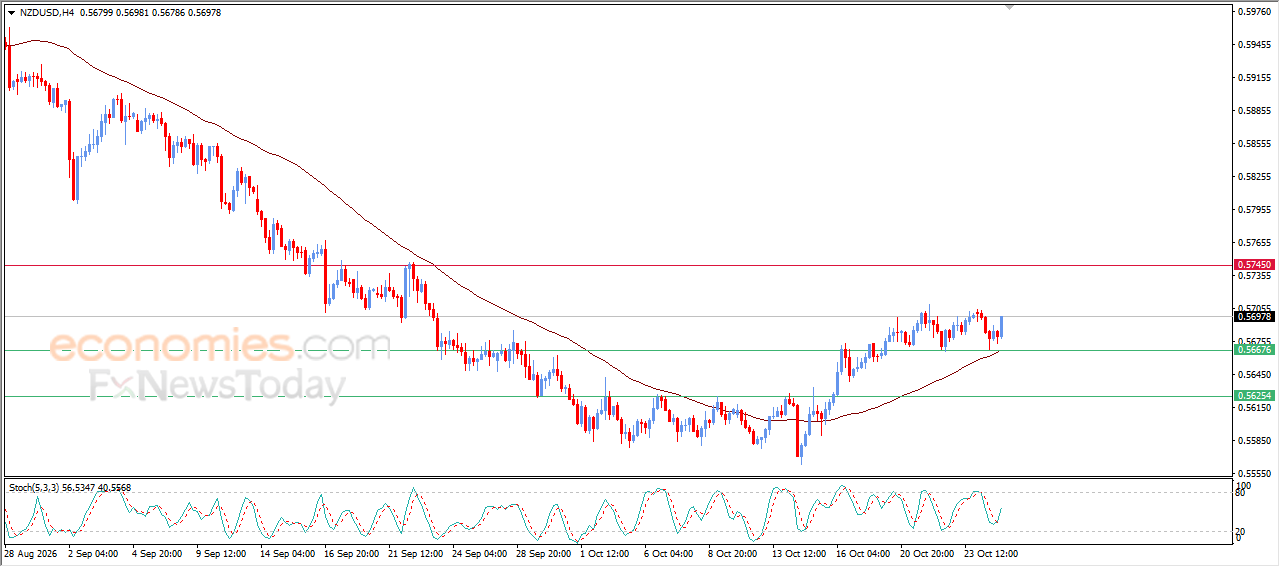
The NZDUSD pair rose in its latest intraday trading after finding support at its EMA50, which provided positive momentum and helped it achieve these gains. This comes as positive signals begin to emerge from the relative strength indicators after they reached oversold territory, strengthening the positive momentum surrounding the pair and increasing the likelihood of extending its gains in the near term, amid the dominance of a short-term corrective bullish trend.
Thanks for your feedback.
AUDUSD Poised to Challenge Key Resistance – Analysis –27-10-2026
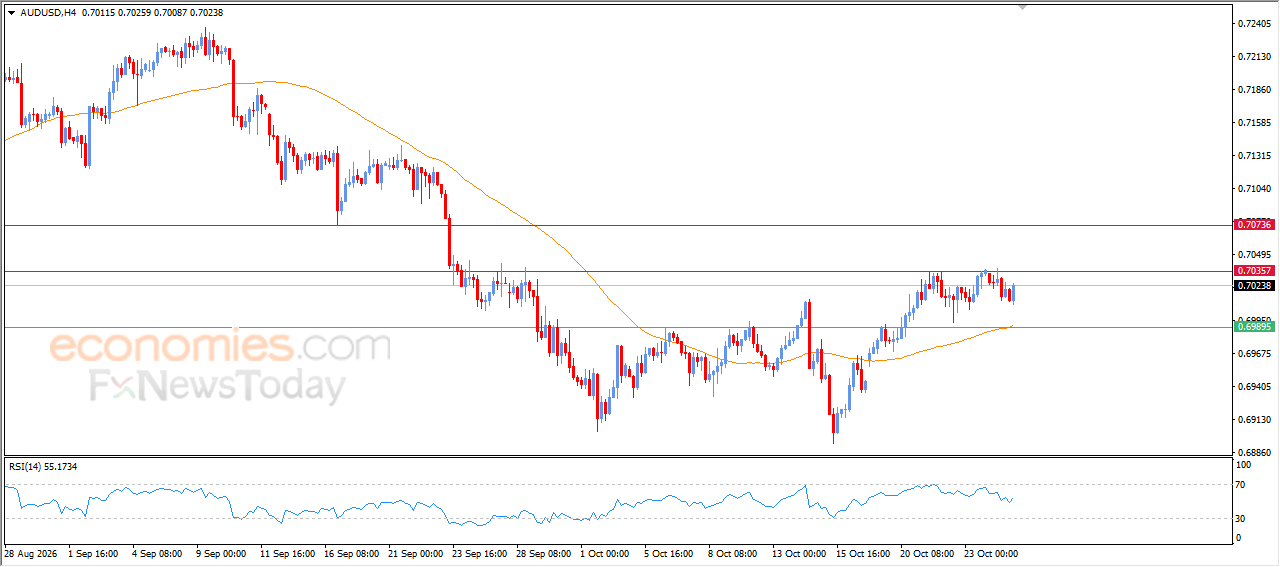
The AUDUSD pair advanced in its latest intraday trading, approaching the key resistance level at 0.7035 amid the dominance of a short-term corrective uptrend. Positive pressure also persists as the pair trades above EMA50, which provides a dynamic support base and increases the likelihood of a breakout. This comes as a positive divergence begins to form on the relative strength indicators after they reached excessively oversold levels compared with the pair’s price movement, with a bullish crossover also beginning to emerge.
MoreUSDCAD Price Poised to Break Below Current Support – Analysis –27-10-2026
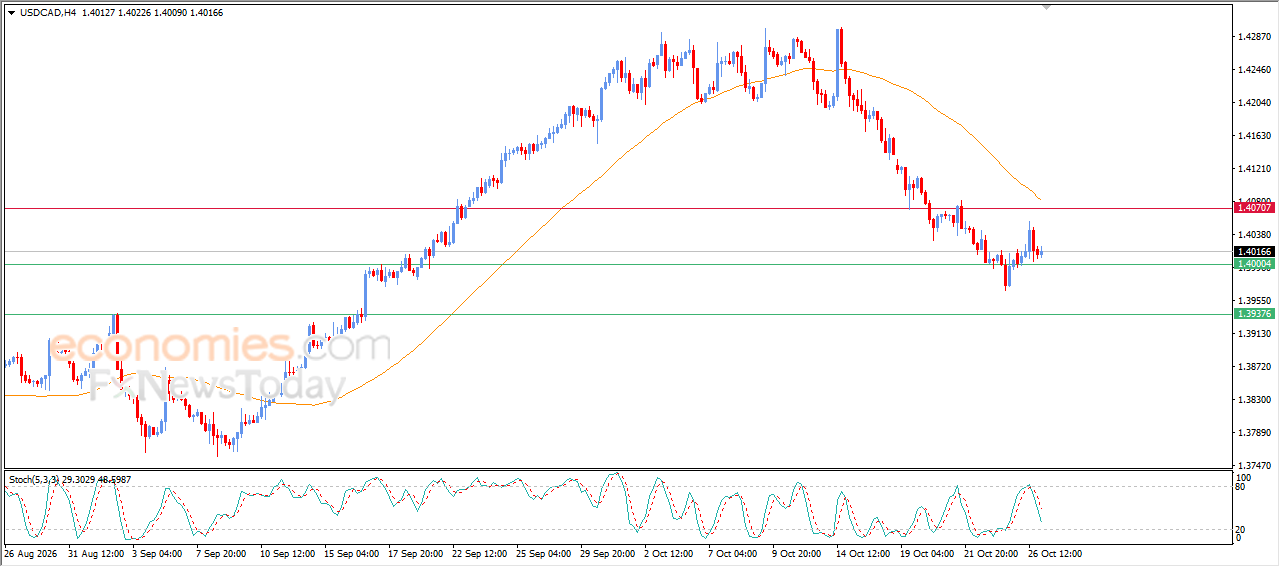
The USDCAD pair declined in its latest intraday trading, approaching a break below its current support level at 1.4000, amid the dominance of a steep short-term corrective bearish trend. Negative pressure also persists as the pair trades below EMA50, which acts as dynamic resistance and limits its chances of a full recovery in the near term. This comes alongside negative signals emerging from the relative strength indicators after they reached deeply overbought levels, adding to the negative pressure surrounding the pair.
MoreUSDJPY Hits Resistance at Its Simple Moving Average – Analysis –27-10-2026
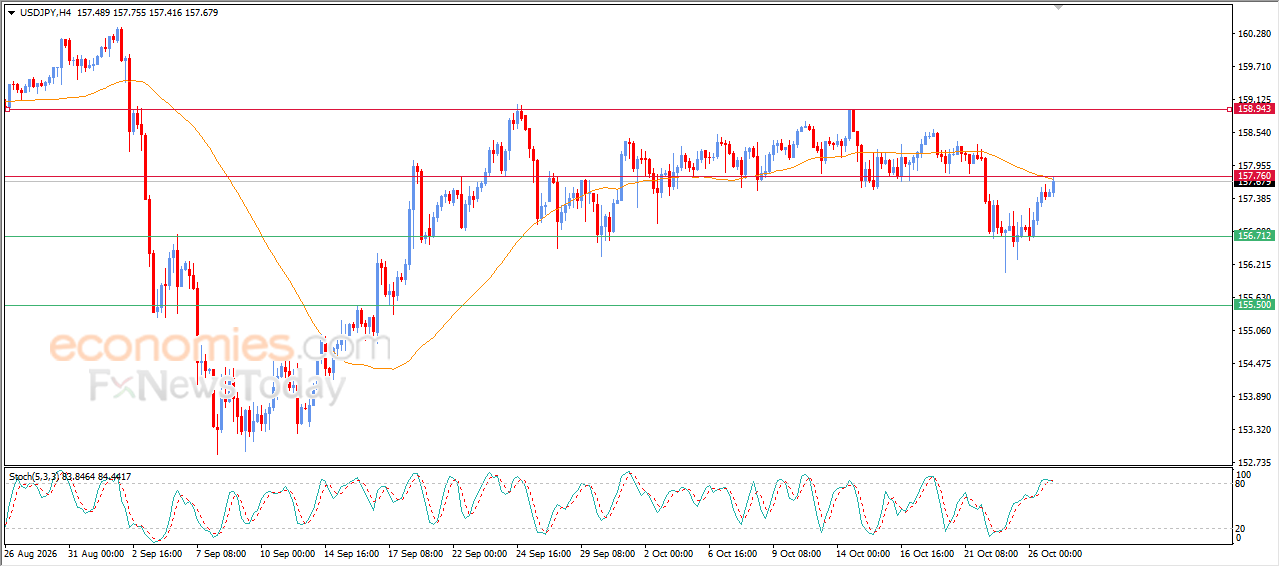
The USDJPY pair extended its gains in its latest intraday trading, supported by the resilience of the key support level at 156.70, which provided positive momentum and helped sustain its consecutive advances. The pair’s latest rise brought it to test EMA50’s resistance, potentially exposing it to negative pressure and bringing selling pressure back to the forefront. This comes amid the dominance of a minor short-term bearish trend, with a bearish crossover beginning to emerge on the relative strength indicators after they reached deeply overbought levels.
More