


 |
|
AUDUSD Under Bearish Pressure – Analysis – 22-06-2026
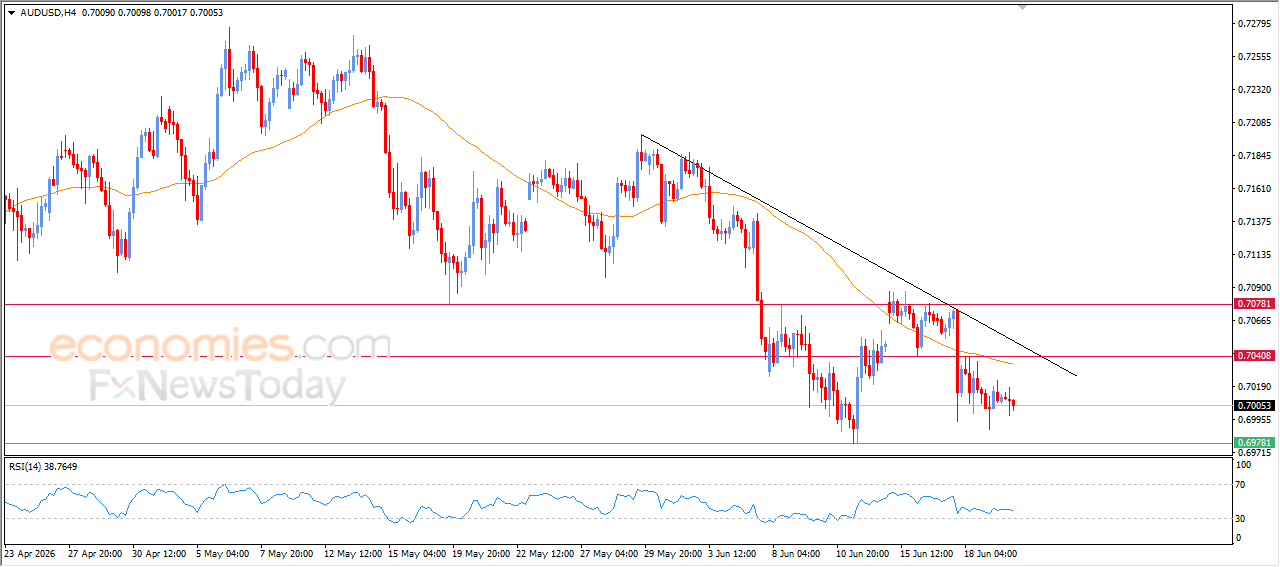
(AUDUSD) declined in its recent intraday trading, amid continued negative pressure resulting from trading below its 50-period simple moving average, which represents dynamic resistance that limits the pair’s chances of recovery in the near term. This comes especially with the dominance of the main bearish trend in the short term, as the price moves along a minor trend line supporting this path. Meanwhile, the Relative Strength Indicators are showing negative signals.
USDCAD Price Soars Higher – Analysis – 22-06-2026
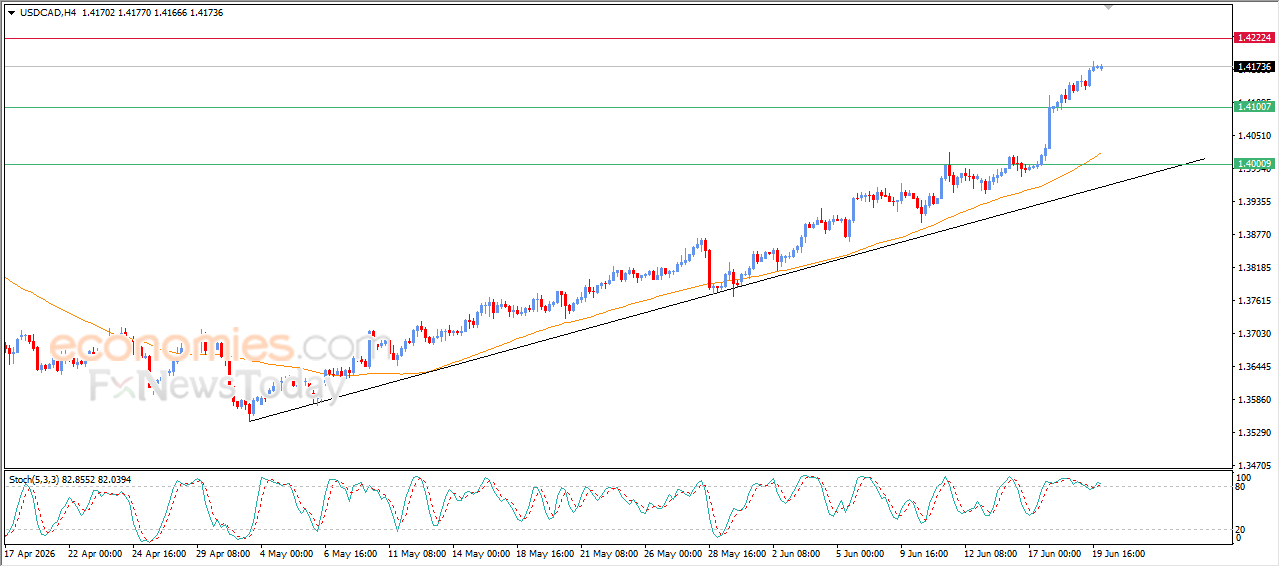
USDCAD continued its rise during recent intraday trading, with the short-term bullish trend remaining firmly in control. The pair is moving along an ascending trend line that supports this direction, while continued positive pressure comes from trading above its EMA50. Meanwhile, relative strength indicators are showing positive signals after the pair managed to ease some of its overbought conditions, giving it greater potential to extend its gains in the near term.
USDJPY Attacks Key Resistance Level – Analysis – 22-06-2026
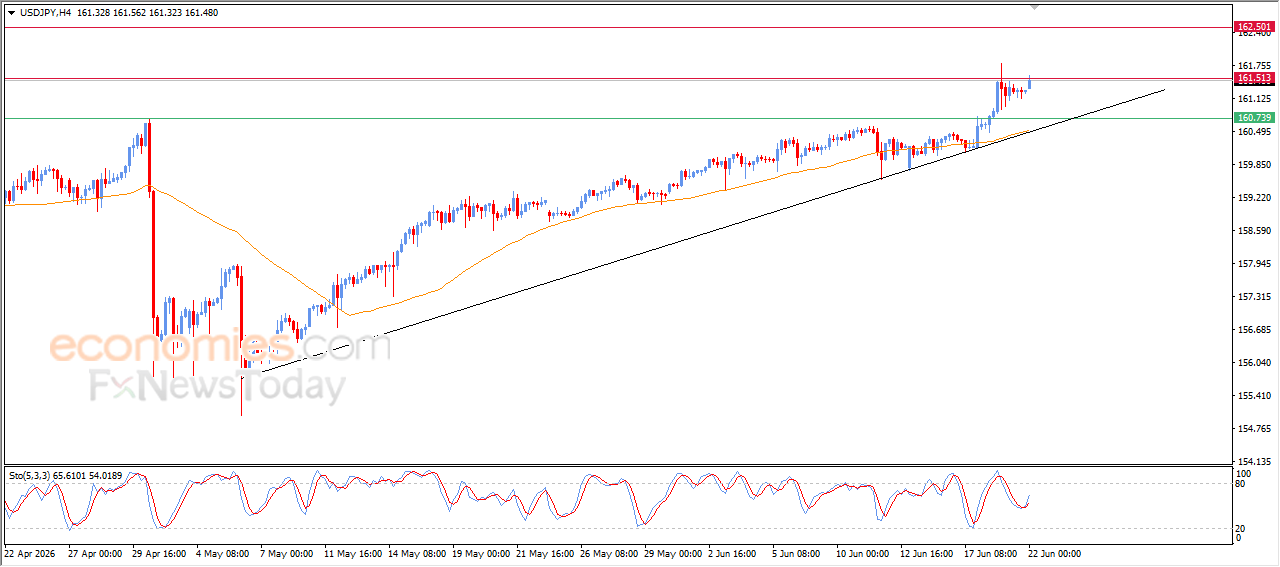
USDJPY advanced during recent intraday trading, challenging the key resistance level at 161.50. The pair benefited from easing overbought conditions on relative strength indicators, which have begun to generate fresh positive signals, providing room for further gains in the near term.
This comes amid a dominant short-term bullish trend, with trading alongside ascending trend line that supports this path. Additional positive momentum is being provided by trading above the EMA50, which continues to act as dynamic support and reinforces the bullish outlook.
GBPUSD Experiences Volatile Trading – Analysis – 22-06-2026
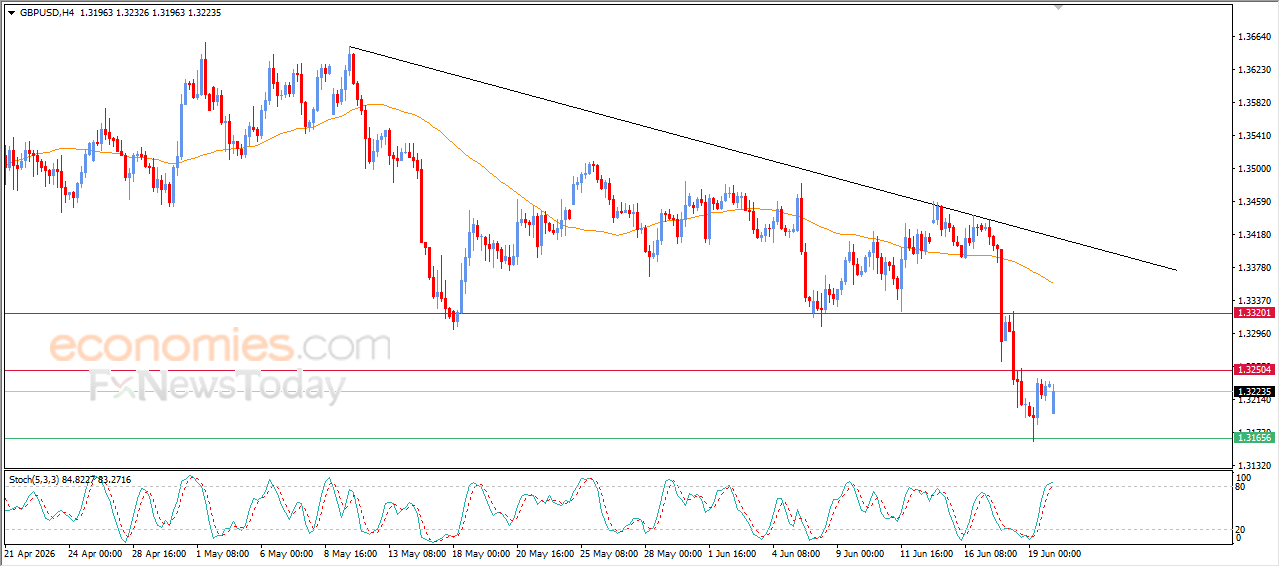
GBPUSD fluctuated at the start of the week amid a cautious market environment. The pair remains under the influence of a dominant short-term bearish trend, keeping selling pressure firmly in control.
Bearish pressure is reinforced by the trading below EMA50, which remains a dynamic resistance level against recovery attempts. Meanwhile, relative strength indicators began to generate fresh negative signals after reaching heavily overbought territory. A negative divergence is forming alongside a bearish crossover, reflecting weakening positive momentum and increasing the likelihood of further downside movement in the near term.